Homeowners often don’t think about their pipes until something goes wrong. A slow drain, a strange smell, or a sudden leak can quickly turn into an expensive repair if left unchecked. The truth is, most major plumbing issues start small-gradual buildup, minor blockages, or overlooked maintenance.
By developing simple, consistent habits, you can extend the life of your plumbing system and avoid unexpected repair bills. This guide walks you through practical, easy-to-follow strategies that help you stay ahead of problems before they become emergencies.
Understand What Causes Pipe Buildup in the First Place
Every plumbing system experiences buildup over time, but many homeowners underestimate how quickly it can accumulate. Even when you’re careful about what goes down your drains, small particles and residues still make their way into the system. These materials cling to the inner walls of pipes, gradually narrowing the passage for water and increasing pressure within the system. Over time, this leads to slower drainage, recurring clogs, and eventually more serious plumbing issues. Understanding these causes is the first step toward preventing costly repairs and maintaining a healthy system. When you stay aware of what contributes to buildup, you can take proactive steps to reduce it before it becomes a problem.
Common causes of buildup include:
- Grease and oil from cooking
- Soap residue and shampoo
- Hair and debris
- Mineral deposits from hard water
- Food particles
Routine pipe cleaning helps remove these layers before they harden and restrict flow. Similarly, consistent drain cleaning ensures that small clogs don’t develop into major obstructions that require professional intervention. By staying proactive, you reduce the stress placed on your plumbing system and extend its lifespan significantly. Over time, these preventative efforts can save you from expensive repairs and unexpected disruptions. The key is recognizing that buildup is inevitable, but serious damage is not if you address it early.
Create a Monthly Maintenance Routine That Actually Works
Establishing a monthly maintenance routine is one of the most effective ways to protect your plumbing system from long-term damage. Many homeowners only react to problems after they occur, but preventative care shifts your approach from reactive to proactive. A consistent routine helps you catch small issues early and keeps your pipes functioning efficiently throughout the year. It doesn’t require specialized tools or advanced knowledge-just a commitment to regular upkeep. By dedicating a small amount of time each month, you can avoid the stress and expense of emergency repairs. The goal is to make maintenance a habit rather than an occasional task.
Here’s an easy maintenance checklist:
- Pour boiling water down drains weekly
- Use a baking soda and vinegar flush once a month
- Clean sink and shower strainers regularly
- Check for slow drainage or unusual smells
While these steps are effective for routine care, there are situations where professional drain cleaning services become necessary. If you notice persistent issues or buildup that doesn’t improve, it may be time to schedule plumbing services for a deeper inspection. Professionals can address hidden problems that DIY methods can’t reach, ensuring your entire system remains in good condition. Combining simple at-home habits with occasional expert support creates a balanced maintenance strategy. Over time, this approach significantly reduces the likelihood of major plumbing failures.
Watch for Early Warning Signs Before Problems Escalate
Your plumbing system often provides subtle clues when something isn’t quite right, but these signs are easy to overlook. Paying attention to small changes can help you identify issues before they develop into costly repairs. Early detection is one of the most powerful tools homeowners have when it comes to preventing serious damage. Ignoring warning signs allows problems to worsen beneath the surface, often leading to more extensive and expensive solutions. By staying alert and responsive, you can address concerns quickly and minimize disruption to your home. The earlier you act, the easier and more affordable the fix will be.
Common early warning signs:
- Water is draining more slowly than usual
- Gurgling sounds in pipes
- Persistent bad odors
- Water backing up in sinks or tubs
When these symptoms appear, it’s often best to consult experienced plumbers rather than waiting for the problem to resolve itself. In many cases, a simple drain cleaning can eliminate the issue before it escalates into a full blockage. Acting quickly helps protect your pipes from damage and prevents unnecessary strain on the system. Over time, this proactive approach not only saves money but also reduces the likelihood of sudden plumbing emergencies. Staying attentive to these early signals is a simple habit that delivers long-term benefits.

Use Safe Cleaning Methods That Won’t Damage Pipes
Choosing the right cleaning methods is just as important as cleaning your pipes regularly. Many homeowners turn to harsh chemical solutions for quick results, but these products can cause long-term damage to their plumbing systems. Over time, chemicals can weaken pipe materials, corrode joints, and increase the risk of leaks. While they may provide temporary relief, they often create bigger problems down the line. A safer approach focuses on maintaining cleanliness without compromising the integrity of your pipes. By selecting the right methods, you protect both your plumbing system and your investment in your home.
Recommended methods:
- Enzyme-based cleaners
- Baking soda and vinegar combinations
- Manual tools like drain snakes
These alternatives support effective pipe cleaning while preserving the strength and durability of your pipes. For more complex issues, professional plumbing services can provide thorough cleaning without causing damage. Experts use specialized tools designed to remove buildup safely and efficiently. Taking a cautious and informed approach ensures your system remains in excellent condition for years to come. Ultimately, safe cleaning practices are a key part of long-term plumbing maintenance.
Keep Your Kitchen Pipes Clear with Smarter Habits
The kitchen is one of the busiest areas in any home, and it’s also one of the most common places for clogs to develop. Everyday activities like cooking and washing dishes introduce grease, food particles, and other debris into your plumbing system. Over time, these materials accumulate and create stubborn blockages that can disrupt your daily routine. By adopting smarter habits, you can significantly reduce the risk of buildup and keep your kitchen pipes functioning properly. Small changes in how you use your sink can have a big impact on your plumbing health. Prevention in the kitchen is especially important because of how quickly issues can escalate.
Habits to adopt immediately:
- Never pour grease down the sink
- Scrape food scraps into the trash before washing dishes
- Use a sink strainer to catch debris
- Run hot water after each use
If you notice recurring clogs despite these efforts, it may be time to consult professional plumbers for a deeper evaluation. In more severe cases, drain cleaning services can remove stubborn buildup and restore proper flow. Addressing kitchen-related issues early helps prevent more extensive damage throughout your plumbing system. Consistent attention to these habits ensures your kitchen remains functional and free of unexpected problems. Over time, these simple practices can save you from costly repairs and inconvenience.
Maintain Bathroom Drains to Prevent Hair and Soap Buildup
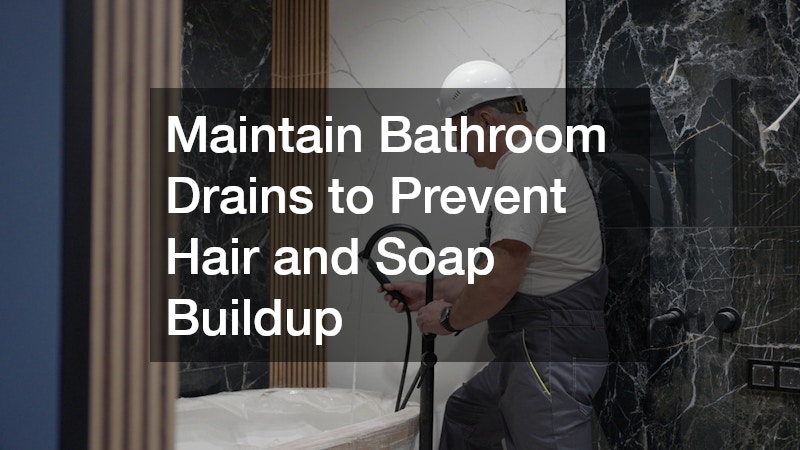
Bathroom drains are particularly vulnerable to buildup due to the combination of hair, soap, and personal care products. These materials can quickly accumulate and create blockages that restrict water flow. Unlike kitchen clogs, which are often caused by grease, bathroom issues tend to develop from sticky residue that traps debris. Regular maintenance is essential to keep these drains clear and functioning efficiently. By staying consistent with preventative measures, you can avoid the frustration of slow drains and frequent clogs. The goal is to stop buildup before it becomes difficult to remove.
Simple prevention strategies:
- Install hair catchers in showers and sinks
- Clean drain covers weekly
- Flush drains with hot water regularly
Combining routine drain cleaning with consistent pipe cleaning habits helps maintain a clear and efficient system. These small efforts prevent residue from hardening and forming stubborn blockages. Over time, maintaining your bathroom drains becomes a quick and manageable task rather than a major repair project. Staying proactive ensures your plumbing system continues to perform reliably. With regular care, you can avoid many of the most common bathroom plumbing issues.
Protect Your Water Heater from Sediment and Blockages
Your water heater is a critical part of your home’s plumbing system, yet it’s often overlooked when it comes to maintenance. Over time, sediment naturally builds up inside the tank, especially in areas with hard water. This accumulation can reduce efficiency, increase energy costs, and even lead to blockages in connected pipes. When left unchecked, sediment can cause significant wear on your system and shorten its lifespan. Taking steps to maintain your water heater helps protect both your appliance and your overall plumbing system. Regular care ensures consistent performance and prevents unexpected breakdowns.
How to maintain it:
- Flush the tank once a year
- Check for unusual noises
- Monitor water temperature consistency
If you notice signs like inconsistent heating or strange sounds, it may be time to consider water heater repair. Scheduling routine water heater services helps remove sediment and keep your system running efficiently. Addressing these issues early prevents more serious damage and costly replacements. A well-maintained water heater supports the overall health of your plumbing system. By giving it the attention it needs, you can extend its lifespan and improve performance.

Plan Ahead for Installations to Avoid Future Pipe Issues
Proper planning during installation plays a major role in preventing future plumbing problems. Many issues that homeowners face later can be traced back to poor installation practices. Ensuring everything is set up correctly from the beginning helps avoid leaks, pressure imbalances, and long-term damage. This is especially important when installing major components that interact with your entire plumbing system. Taking the time to plan and choose the right professionals can make a significant difference in performance and reliability. A well-executed installation provides a strong foundation for your plumbing system.
What to consider:
- Correct sizing for your home
- Proper pipe alignment
- Adequate pressure regulation
- Secure connections
Hiring the best plumber ensures that your water heater installation is completed correctly and efficiently. A skilled professional will pay attention to every detail, reducing the risk of future issues. Investing in quality installation services helps you avoid unnecessary repairs and maintenance down the line. When done properly, installation becomes a preventative measure rather than a potential source of problems. This proactive approach saves time, money, and stress in the long run.
Schedule Annual Inspections to Catch Hidden Problems Early
Even with consistent maintenance, some plumbing issues remain hidden until they become serious problems. Annual inspections provide a comprehensive evaluation of your system and help identify concerns that aren’t visible on the surface. These inspections are an important part of preventative care, offering peace of mind and long-term savings. Professionals can detect early signs of wear, buildup, and potential failures before they escalate. By making inspections a regular part of your routine, you gain better control over your home’s plumbing health. It’s a simple step that delivers significant benefits.
What professionals check:
- Internal pipe condition
- Hidden leaks
- Water pressure levels
- Sediment buildup
Combining plumbing services with water heater installation ensures your entire system is evaluated thoroughly. This comprehensive approach helps catch issues early and prevents costly repairs later. Regular inspections also extend the lifespan of your plumbing system by addressing problems before they worsen. Investing in preventative care is always more cost-effective than dealing with emergencies. Over time, this habit contributes to a more reliable and efficient home.
Know When DIY Isn’t Enough and Call a Professional
While many plumbing maintenance tasks can be handled at home, there are situations where professional help is essential. Recognizing the limits of DIY solutions can prevent you from making problems worse. Some issues require specialized tools, expertise, and experience to resolve effectively. Attempting to fix complex problems without the proper knowledge can lead to further damage and higher repair costs. Knowing when to step back and call an expert is an important part of responsible home maintenance. It ensures that issues are handled correctly the first time.
Signs you need expert help:
- Recurring clogs
- Multiple drains backing up
- Water pooling around fixtures
- Unusual noises in pipes
Hiring the best plumber provides accurate diagnosis and long-lasting solutions. Professional drain cleaning services use advanced equipment to fully clear pipes and prevent future issues. This level of expertise ensures your plumbing system is restored to optimal condition. Relying on professionals when necessary protects your home and saves you time and stress. Ultimately, knowing when to seek help is just as important as performing regular maintenance.
Stay Ahead of Repairs with Simple Preventative Habits
Preventing plumbing problems isn’t complicated-it just requires consistency and awareness. By taking small, proactive steps, you can avoid major disruptions and costly repairs down the line.
From maintaining clean pipes to recognizing early warning signs, every action you take contributes to a healthier plumbing system. The key is staying consistent and knowing when to bring in professional help.
A little effort today can save you from big problems tomorrow.