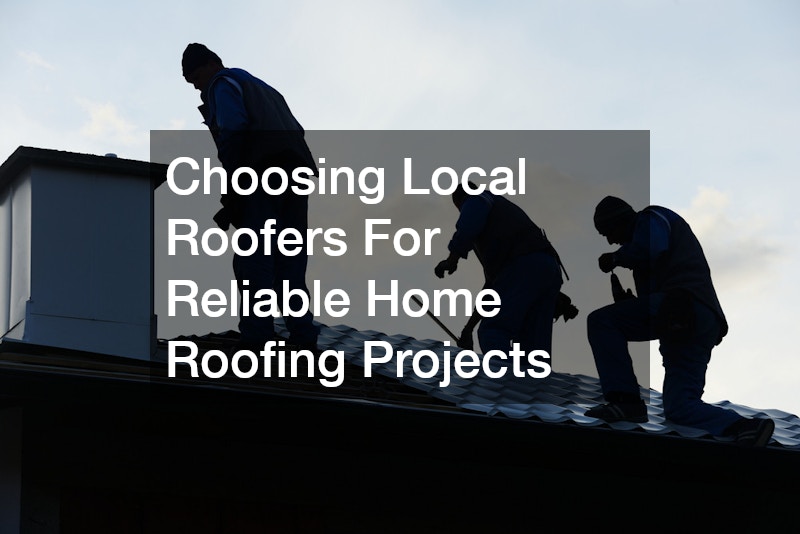
A roof is one of the most important protective systems in any home. It shields the structure from rain, wind, heat, and debris while also playing a major role in energy efficiency and curb appeal. Because of this, the quality of installation and repair work directly affects how well a home performs over time.
Many homeowners only think about roofing when a problem becomes visible, such as a leak or missing shingles. However, by that point, damage may already be developing beneath the surface. Choosing the right professionals early helps prevent costly repairs, improves long-term durability, and ensures the roof system is properly designed for local conditions.
This article explores how homeowners can evaluate roofing professionals, compare materials, understand structural requirements, and maintain a roof properly after installation. The goal is to help readers make informed decisions that protect both their homes and their budgets.
Spotting Roof Problems Before They Become Serious
Recognizing Early Exterior Warning Signs
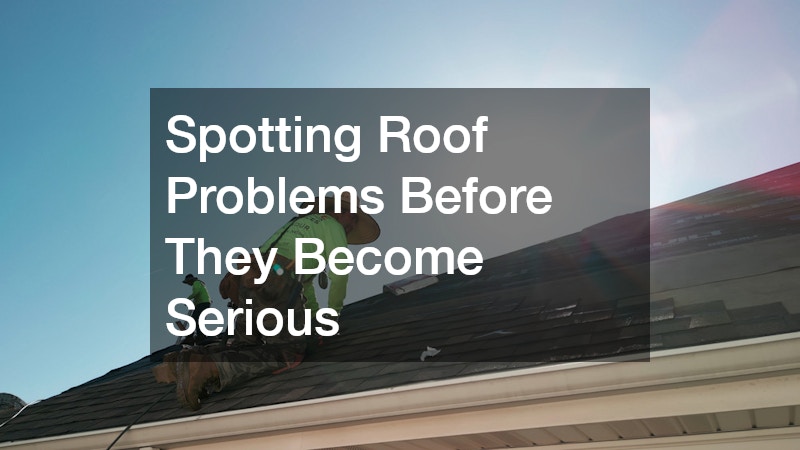
Most roofing issues begin subtly and worsen over time. Homeowners who schedule local roof repairs can often catch problems before they escalate into structural damage.
Common warning signs include:
- Curling or missing shingles
- Dark streaks or algae growth
- Water stains on ceilings or walls
- Sagging roof lines
- Damaged flashing around vents or chimneys
- Excessive granules in gutters
These symptoms often indicate underlying moisture intrusion or aging materials. Even small defects can allow water to penetrate layers beneath the surface, leading to rot or insulation damage.
When Minor Issues Require Immediate Action
Not every roofing concern is an emergency, but delays can quickly turn small repairs into major reconstruction projects. In many cases, early residential roof repair can extend the life of the entire roof system.
Homeowners should seek help promptly when they notice:
- Repeated small leaks after rainstorms
- Rapidly spreading stains indoors
- Loose or shifting roofing materials
- Sudden increases in energy bills
Addressing issues early reduces long-term repair costs and helps maintain structural integrity before deeper layers are affected.
Verifying Professional Experience and Local Expertise
Checking Credentials and Industry Standards
Choosing a qualified residential roofing contractor is one of the most important steps in any roofing project. Proper credentials ensure that the work meets safety standards and local building codes.
Before hiring, homeowners should verify:
- Active licensing and insurance coverage
- Manufacturer certifications for roofing systems
- Written warranty policies
- Experience with similar residential projects
- Compliance with local building regulations
A qualified residential roofing contractor brings both technical skill and accountability, which reduces the risk of improper installation or future failures.
Why Local Knowledge Matters for Roofing Performance
Weather patterns, humidity levels, and seasonal temperature shifts all influence how roofing materials perform. Professionals who regularly work in a specific region understand these challenges and can recommend solutions that last longer in local conditions.
Working with local roofers provides advantages such as:
- Familiarity with regional weather damage patterns
- Faster response times for inspections and repairs
- Established relationships with local suppliers
- Better understanding of permitting requirements
This local insight helps ensure roofing systems are built to handle long-term environmental stress.
Comparing Roofing Materials for Long-Term Value
Evaluating Strength, Longevity, and Maintenance Needs
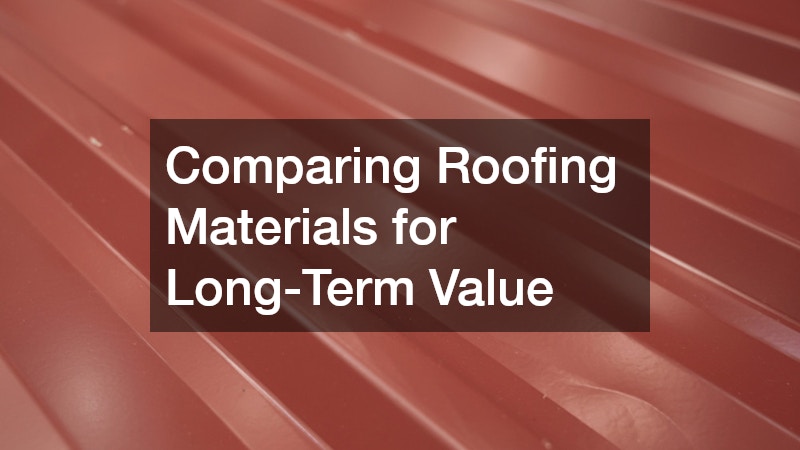
Different roofing materials offer different levels of durability and upkeep. Understanding these differences helps homeowners make cost-effective decisions based on long-term performance rather than upfront pricing alone.
Key factors to consider include:
- Expected lifespan
- Resistance to weather damage
- Maintenance requirements
- Energy efficiency
- Weight and structural load
- Repair complexity
Some materials require frequent upkeep, while others are designed for long-term resilience with minimal maintenance.
Matching Materials to Style and Budget Needs
Beyond performance, appearance, and budget also play a major role in material selection. The right roofing material should complement the home’s architectural style while also fitting financial expectations. Clay tile roofing is an excellent choice for those seeking a durable and timeless aesthetic, offering a range of colors and shapes that can enhance the visual appeal of any home while also providing exceptional longevity and resistance to harsh weather conditions.
Common considerations include:
- Traditional versus modern appearance
- Color retention over time
- Heat reflection properties
- Installation complexity
- Long-term replacement costs
Different homes benefit from different material choices, so balancing aesthetics with durability is essential for long-term satisfaction.
Ensuring Structural Integrity Before Installation
Inspecting the Roof Foundation and Decking
Before any new roofing system is installed, the underlying structure must be evaluated. Hidden damage beneath the surface can compromise even the highest-quality materials.
Important inspection areas include:
- Roof decking condition
- Moisture damage or rot
- Structural sagging
- Nail or fastener integrity
- Load-bearing support strength
Scheduling roof decking services before installation prevents premature failure and extends the lifespan of the entire roof system.
Understanding Ventilation and Moisture Control
Proper airflow beneath the roof is critical for regulating temperature and preventing condensation buildup. Without adequate ventilation, moisture can accumulate and damage insulation or structural components.
Effective ventilation planning helps:
- Reduce heat buildup in attics
- Prevent mold growth
- Improve energy efficiency
- Extend the roofing material’s lifespan
When properly managed, ventilation protects both the roof and the interior environment.
Reviewing Estimates and Project Details Carefully

Breaking Down Costs and Coverage Clearly
A detailed estimate should outline all aspects of the project so homeowners understand exactly what they are paying for. Vague pricing can lead to unexpected expenses later.
A comprehensive estimate typically includes:
- Labor costs
- Material selection and quantity
- Removal of old roofing
- Cleanup and disposal fees
- Warranty coverage details
- Project timeline
Transparency in pricing reflects professionalism and helps avoid misunderstandings.
Understanding Scheduling and Communication Practices
Clear communication is essential for a smooth roofing project. Delays, weather disruptions, and material availability can all affect timelines, so homeowners should understand how updates will be handled.
Important questions include:
- How will progress updates be shared?
- What happens in case of weather delays?
- Who is the main point of contact?
- How are unexpected issues handled?
A well-organized project reduces stress and ensures expectations remain aligned.
Evaluating Reputation and Service Quality
Avoiding Low-Quality Workmanship Risks
While cost is always a consideration, extremely low bids may indicate shortcuts in materials or labor. Poor workmanship often leads to recurring problems and higher long-term expenses.
Warning signs include:
- Lack of written contracts
- No proof of insurance
- High-pressure sales tactics
- Unclear warranty terms
- Limited references or reviews
Choosing quality over price helps ensure lasting performance and fewer future repairs.
Researching Reviews and Local Reputation
Reputation is one of the strongest indicators of reliability. Homeowners should research feedback from previous clients to understand how a company performs over time.
Helpful research methods include:
- Reading verified online reviews
- Asking for recent project examples
- Checking complaint history
- Speaking with past customers, if possible
Reliable local roofing services typically maintain strong reputations built on consistent performance and customer satisfaction.
Understanding Specialized Roofing Expertise
Working With Metal Roofing Specialists
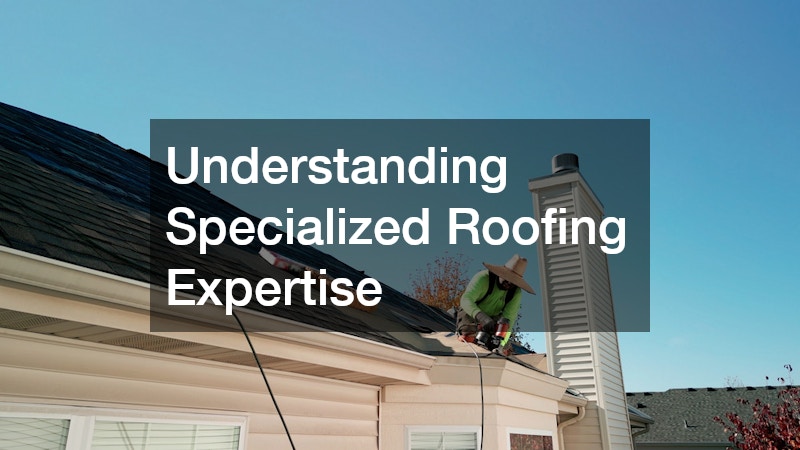
Metal shingles require precise installation techniques to ensure proper sealing and long-term durability. Not all contractors have experience working with these materials.
Professionals experienced as metal roofers typically understand:
- Expansion and contraction behavior
- Proper fastening techniques
- Noise reduction methods
- Corrosion protection strategies
This expertise ensures that metal roofing systems perform efficiently for decades with minimal maintenance.
Considering Maintenance Requirements by Material Type
Different roofing systems require different levels of ongoing care. Understanding these needs helps homeowners plan for long-term upkeep.
Maintenance considerations include:
- Frequency of inspections
- Cleaning requirements
- Repair accessibility
- Replacement part availability
Certain materials may require more frequent attention, while others are designed for low-maintenance performance.
Preparing the Home for Roofing Work
Protecting Property and Reducing Disruption
Roofing projects can be disruptive, so preparation helps minimize inconvenience and protect surrounding areas.
Homeowners should:
- Move vehicles away from the work area
- Protect landscaping and outdoor furniture
- Cover attic belongings if needed
- Secure fragile items inside the home
Proper preparation helps reduce damage risks during construction.
Establishing Clear Communication During the Project
Effective communication ensures the project runs smoothly from start to finish. Homeowners should maintain regular contact with the project team to stay informed.
Best practices include:
- Confirming daily work schedules
- Reviewing progress updates
- Asking questions about unexpected findings
- Documenting changes or adjustments
This helps avoid confusion and ensures the project stays on track. Clear communication among team members is essential, as it fosters collaboration and allows everyone to stay informed about progress and any potential challenges. Regular check-ins and updates can further enhance alignment, making it easier to address issues as they arise and keep the project moving forward efficiently. By prioritizing these practices, we can achieve our goals more effectively and maintain a positive team dynamic.
Maintaining Roof Health After Installation
Scheduling Regular Inspections
Even newly installed roofs require periodic inspections to ensure long-term performance. Preventive maintenance helps detect small issues before they grow into major repairs. Even the best installation can experience natural settling, fastener movement, or minor weather-related wear during the first few seasons. Regular evaluations help confirm that all components are functioning as intended and that no hidden vulnerabilities are developing beneath the surface layers.
Inspection benefits include:
Early leak detection
- Small leaks often begin in areas that are not immediately visible from inside the home.
- Attics, insulation layers, and underlayment materials can hide moisture intrusion until damage becomes significant.
- Early detection allows for quick sealing or patching before water spreads into structural components.
Material wear monitoring
- Roofing materials naturally degrade over time due to UV exposure, temperature changes, and storm impact.
- Inspections help track granule loss, cracking, curling edges, or fading that may indicate reduced protection.
- Monitoring wear patterns also helps predict when future maintenance or replacement may be needed, allowing homeowners to plan ahead rather than react.
Flashing and seal evaluation
- Flashing around chimneys, vents, skylights, and roof valleys is one of the most common failure points in roofing systems.
- Sealant materials can dry out or separate over time, especially in areas exposed to heavy sun or temperature swings.
- Evaluating these connections ensures that water is being properly diverted away from vulnerable entry points.
Gutter and drainage assessment
- Even a well-built roof system can fail prematurely if water is not effectively channeled away.
- Clogged or misaligned gutters can cause overflow that leads to fascia damage, siding stains, or foundation issues.
- Regular drainage checks help ensure that water flows efficiently off the roof and away from the home’s structure.
Routine checks significantly extend roof lifespan by reducing cumulative stress on materials and allowing minor issues to be corrected before they spread. A roof that is inspected regularly typically maintains better structural integrity, experiences fewer emergency repairs, and delivers more consistent long-term performance.
Addressing Minor Repairs Promptly
Small roofing issues should never be ignored. Even minor damage can expand quickly under harsh weather conditions, especially during heavy rain, strong winds, or freeze-thaw cycles. What begins as a small vulnerability can escalate into widespread deterioration if left unattended.
Common repair needs include:
Replacing missing shingles
- Missing shingles expose the underlayment directly to moisture and sunlight, accelerating wear.
- Wind can lift surrounding shingles once one section is compromised, creating a chain reaction of damage.
- Prompt replacement restores the protective barrier and prevents further exposure.
Sealing small leaks
- Even a slow drip can indicate a breach in the roofing system that may worsen over time.
- Water intrusion can travel along beams and insulation before becoming visible indoors.
- Proper sealing stops moisture at the source and helps prevent mold or rot from developing.
Fixing flashing damage
- Damaged flashing can allow water to enter joints and transitions where roof sections meet.
- These areas are especially vulnerable during storms or periods of heavy rainfall.
- Repairing or resealing flashing ensures that critical connection points remain watertight.
Clearing debris buildup
- Leaves, branches, and dirt can trap moisture against roofing materials, accelerating decay.
- Debris accumulation also blocks proper water flow, increasing the risk of pooling and leaks.
- Regular clearing helps maintain airflow and drainage efficiency across the roof surface.
Timely repairs prevent structural deterioration and reduce long-term costs by stopping small problems from developing into major system failures. Addressing issues early also helps maintain the roof’s protective performance, ensuring the home remains secure, energy-efficient, and resistant to weather-related damage.
Conclusion
Choosing the right professionals for roofing work is one of the most important decisions a homeowner can make. A well-installed roof protects the entire structure, improves energy efficiency, and enhances long-term property value. By carefully evaluating experience, materials, communication practices, and maintenance needs, homeowners can avoid costly mistakes and ensure lasting results.
A thoughtful approach to roofing projects not only reduces risk but also provides peace of mind. With proper planning and ongoing care, a roof can perform reliably for decades, offering consistent protection and stability for the home beneath it.