Key Takeaways
- Establishing a realistic daily cleaning routine helps prevent chores from becoming overwhelming and keeps the home consistently organized.
- Cleaning as you go reduces the buildup of dirt, clutter, and messes, making regular upkeep faster and easier.
- Focusing on high-use areas like the kitchen and bathroom each day improves cleanliness, hygiene, and overall comfort.
- Keeping clutter under control with designated storage solutions creates a tidier, more functional living space.
- Regular cleaning provides opportunities to spot maintenance issues early, helping protect the home’s condition over time.
- Combining daily habits with a simple weekly cleaning schedule creates a manageable system for maintaining a clean home.
- Encouraging every household member to contribute to cleaning tasks makes home upkeep more efficient and sustainable.
A clean home does more than look nice—it creates a comfortable, healthy, and welcoming place to live. Walking into an organized house after a busy day can reduce stress, improve productivity, and make everyday routines easier. However, many people believe maintaining a spotless home requires hours of cleaning every weekend. In reality, keeping a house clean is usually the result of small daily habits rather than occasional deep-cleaning sessions.
When clutter and dirt are allowed to build up, cleaning becomes more overwhelming. On the other hand, completing a few simple tasks each day prevents messes from growing into larger problems. These routines take only a few minutes but can save hours of work over time.
Whether you live alone, with roommates, or with a busy family, developing practical cleaning habits can help your home stay organized throughout the year. This guide shares simple daily habits that make maintaining a clean house easier while reducing stress and protecting your home’s condition.
Build a Daily Cleaning Routine That Fits Your Lifestyle
The most successful cleaning routines are realistic and easy to maintain. Instead of trying to clean the entire house every day, divide responsibilities into small tasks that fit naturally into your schedule. A consistent routine prevents chores from piling up and makes cleaning feel less overwhelming.
Morning and evening routines often work best because they become part of your daily habits. For example, making the bed after waking up instantly makes the bedroom look tidier, while spending ten minutes cleaning before bedtime helps you start the next day with a fresh space.
Remember that consistency matters more than perfection. Even if you only complete a few tasks each day, the results add up over time and help keep your home looking organized.
Simple daily cleaning habits include:
- Make the bed every morning
- Put away items after using them
- Wipe down frequently used surfaces
- Spend 10–15 minutes tidying each evening
- Empty small trash bins as needed
Clean as You Go Instead of Waiting
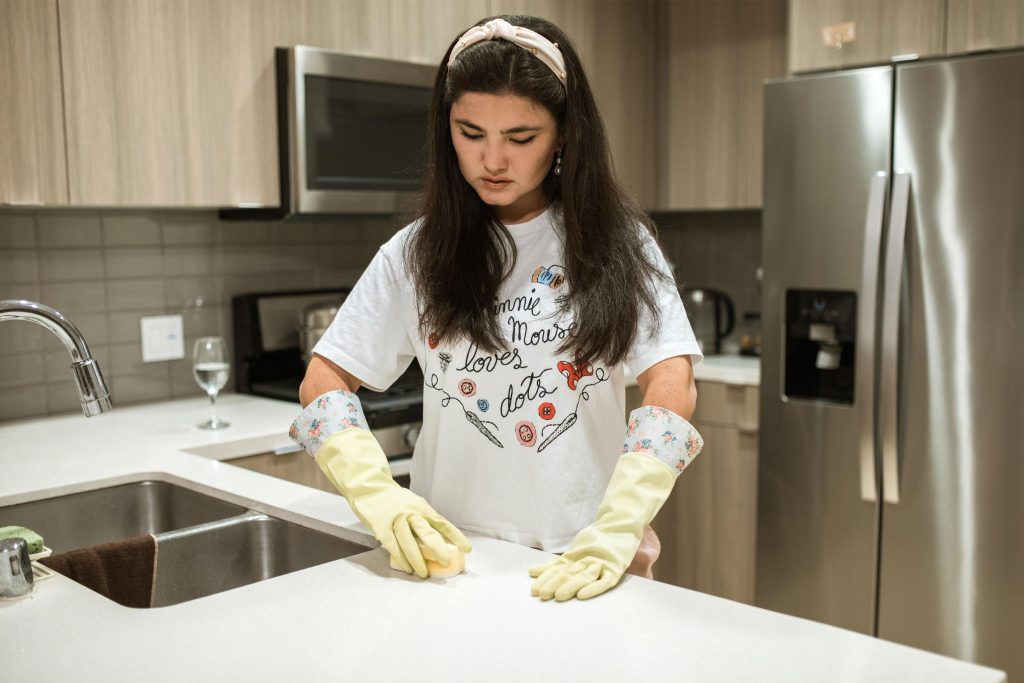
One of the easiest ways to keep a clean home is to avoid letting messes accumulate. Cleaning as you go prevents dirt and clutter from becoming larger problems that require more effort later.
For example, washing dishes immediately after meals keeps the kitchen organized and prevents food from hardening onto cookware. Wiping bathroom counters after brushing your teeth helps stop toothpaste and water spots from building up. Returning items to their proper places after using them keeps every room looking neat.
These small habits often take less than a minute but greatly reduce the amount of cleaning required later in the week.
Cleaning as you go also helps maintain a calmer environment because messes never have the opportunity to become overwhelming.
Everyday “clean as you go” habits:
- Wash dishes after meals
- Wipe kitchen counters
- Return shoes to storage
- Hang coats immediately
- Put laundry in hampers
Keep Clutter Under Control Every Day
Clutter is one of the biggest reasons a home appears messy, even when it is relatively clean. Papers, clothing, toys, and miscellaneous items can quickly collect on tables, counters, and floors if they do not have designated storage locations.
Creating a place for everything makes it much easier to stay organized. Storage baskets, drawer organizers, shelves, and labeled containers all help reduce visual clutter while making belongings easier to find.
It also helps to perform a quick clutter check before going to bed. Walking through each room for just a few minutes to return misplaced items can dramatically improve how the house looks the next morning.
Decluttering regularly also prevents unnecessary possessions from taking over valuable living space.
Areas that benefit from daily decluttering:
- Kitchen counters
- Coffee tables
- Entryways
- Bathroom vanities
- Bedroom nightstands
- Living room furniture
Focus on the Kitchen Every Day
The kitchen is one of the busiest rooms in most homes, which means it often becomes dirty faster than other areas. Giving the kitchen a little attention each day helps maintain cleanliness throughout the entire house.
Start by washing dishes or loading the dishwasher after every meal. Wipe countertops, stovetops, and dining tables to remove crumbs, spills, and grease before they harden. Sweeping the floor regularly also prevents dirt from spreading into other rooms.
The refrigerator deserves regular attention as well. Throw away expired food, wipe shelves, and clean small spills before they become difficult to remove.
A clean kitchen not only looks better but also supports food safety and reduces odors.
Kitchen maintenance habits:
- Wash dishes promptly
- Wipe counters daily
- Sweep floors
- Clean appliance handles
- Empty food scraps regularly
Maintain a Fresh and Hygienic Bathroom
Bathrooms require regular attention because moisture encourages mold, mildew, and bacteria growth. Fortunately, daily maintenance only takes a few minutes.
After showering, use the exhaust fan or open a window to reduce humidity. Wipe down sinks, faucets, and countertops to prevent soap scum and water spots from forming. Hanging towels properly allows them to dry faster and stay fresher between washes.
Keeping a disinfecting wipe or microfiber cloth nearby makes quick cleanups simple and convenient. Frequent maintenance reduces the need for lengthy scrubbing sessions later.
Small daily efforts help bathrooms remain clean, comfortable, and hygienic.
Bathroom upkeep habits:
- Wipe sinks and counters
- Run the exhaust fan
- Hang towels properly
- Empty small trash bins
- Check for standing water
Protect Your Home While Cleaning
Daily cleaning routines provide an excellent opportunity to notice small maintenance issues before they become expensive repairs. While wiping surfaces or vacuuming, pay attention to unusual stains, leaks, cracks, or signs of wear.
For example, checking under sinks while cleaning the bathroom or kitchen supports preventing plumbing problems by allowing you to identify slow leaks before they cause water damage. Addressing minor concerns early often saves both time and money.
Regular observation also helps maintain the overall condition of your home. Small maintenance tasks completed promptly can prevent larger issues from developing over time.
A clean home is often easier to inspect because potential problems are more visible.
Maintenance checks to include:
- Look for plumbing leaks
- Check around windows
- Inspect caulk and grout
- Watch for mold growth
- Notice unusual odors
Create Weekly Habits That Support Daily Cleaning
While daily habits keep clutter under control, certain tasks only need to be completed once each week. Spreading these responsibilities throughout the week makes them easier to manage than trying to complete everything on one day.
Vacuuming carpets, mopping floors, washing bedding, dusting furniture, and cleaning mirrors are all excellent weekly tasks. Rotating responsibilities also helps ensure every area of the home receives regular attention.
Creating a simple cleaning schedule reduces decision fatigue because you always know what needs to be done next.
The combination of daily and weekly routines creates a balanced approach to home maintenance.
Weekly cleaning tasks may include:
- Vacuum carpets
- Mop hard floors
- Wash bed linens
- Dust furniture
- Clean mirrors
- Sanitize high-touch surfaces
Organize Cleaning Supplies for Easy Access
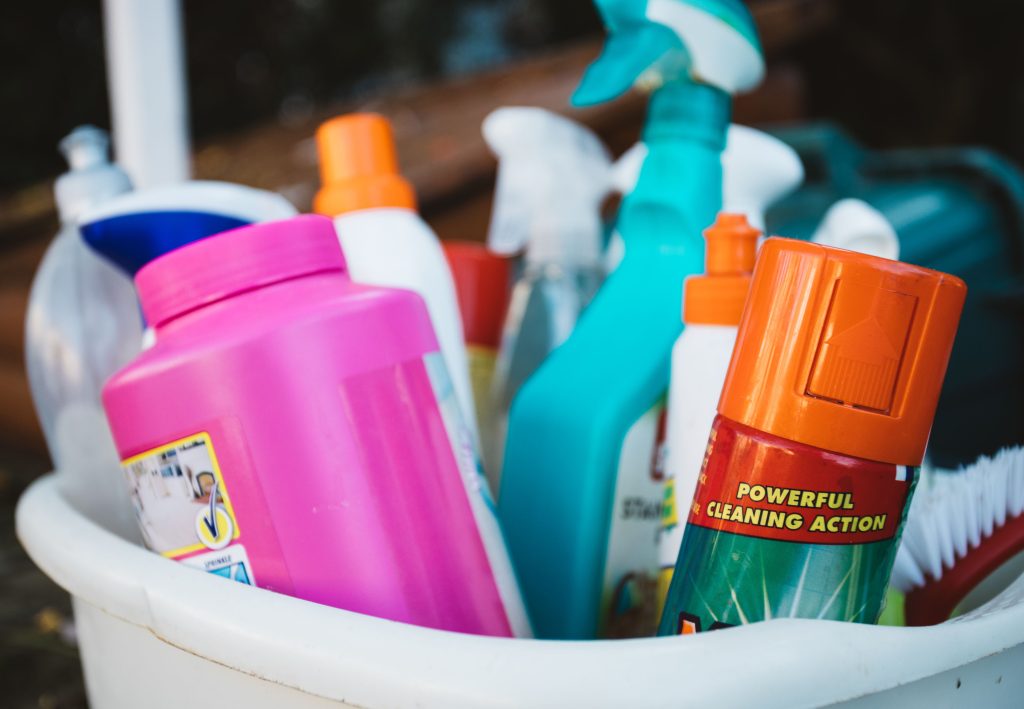
One reason people postpone cleaning is that gathering supplies feels inconvenient. Keeping cleaning products organized and easily accessible encourages quick cleanups whenever messes occur.
Consider storing frequently used supplies in a portable cleaning caddy. Stock it with microfiber cloths, an all-purpose cleaner, glass cleaner, disinfecting wipes, rubber gloves, and paper towels. Having everything together saves time and makes cleaning more efficient.
It is also helpful to keep small cleaning supplies in frequently used areas. For example, storing bathroom wipes under the sink encourages quick daily wipe-downs.
When cleaning supplies are easy to reach, maintaining a clean home becomes much simpler.
Useful cleaning supplies to keep nearby:
- Microfiber cloths
- All-purpose cleaner
- Glass cleaner
- Disinfecting wipes
- Rubber gloves
- Paper towels
Know When Cleaning Reveals Bigger Home Issues
Cleaning sometimes uncovers maintenance problems that should not be ignored. Water stains, cracked drywall, loose flooring, peeling paint, or damaged fixtures may indicate underlying issues that require repair.
Learning how to prioritize home repairs helps homeowners address the most important problems before focusing on cosmetic improvements. Structural damage, water leaks, electrical concerns, and safety hazards should generally receive immediate attention, while purely decorative projects can often wait.
Recognizing these issues during regular cleaning allows homeowners to take action before repairs become more extensive and costly.
Routine upkeep and timely repairs work together to protect both the appearance and value of a home.
Home issues to address promptly:
- Water stains
- Cracked drywall
- Loose flooring
- Damaged caulk
- Electrical concerns
Make Cleaning a Family Habit
Keeping a house clean becomes much easier when everyone contributes. Assigning age-appropriate responsibilities encourages teamwork while reducing the workload for any one person.
Children can help put away toys, feed pets, or wipe tables. Teenagers may assist with vacuuming, taking out trash, or loading the dishwasher. Adults can rotate larger household responsibilities throughout the week.
Creating routines instead of occasional cleaning days helps everyone understand what is expected. Simple checklists or chore charts can also encourage consistency.
When cleaning becomes part of daily life rather than an occasional event, maintaining a tidy home requires much less effort.
Ways the whole family can help:
- Return items to their proper places
- Complete small daily chores
- Rotate weekly responsibilities
- Follow cleaning schedules
- Work together during quick evening tidy-ups
Final Thoughts
Keeping a clean house does not require spending hours cleaning every day. Instead, it comes from developing simple habits that prevent dirt and clutter from building up in the first place. Making beds, cleaning as you go, wiping surfaces, organizing belongings, and completing small maintenance checks all contribute to a home that feels cleaner and more comfortable.
The key is consistency. Small daily actions are easier to maintain than occasional marathon cleaning sessions, and they help protect both your home’s appearance and its long-term condition. Combining these routines with weekly cleaning tasks creates a balanced system that works for households of any size.
With realistic habits and a little daily effort, maintaining a clean house becomes less of a chore and more of a natural part of everyday life. Over time, these simple routines create a healthier, more organized, and more enjoyable place to call home.