
A comfortable home is about more than attractive furniture, cosy rooms, and the right temperature indoors. The condition of the exterior, the way your yard is arranged, and the systems protecting your home can all influence how comfortable your living space feels. When outdoor improvements are planned thoughtfully, they can make the interior quieter, more energy-efficient, functional, and enjoyable.
Comfort also means reducing everyday frustrations. A well-maintained roof can help protect against leaks, while an organized outdoor space can make coming and going easier. Updated doors, better landscaping, and improvements to bedrooms and bathrooms can all contribute to a home that feels more welcoming.
In this article, we will explore practical ways to improve comfort from the outside in, including exterior maintenance, outdoor upgrades, climate control, storage, bedrooms, and bathroom improvements.
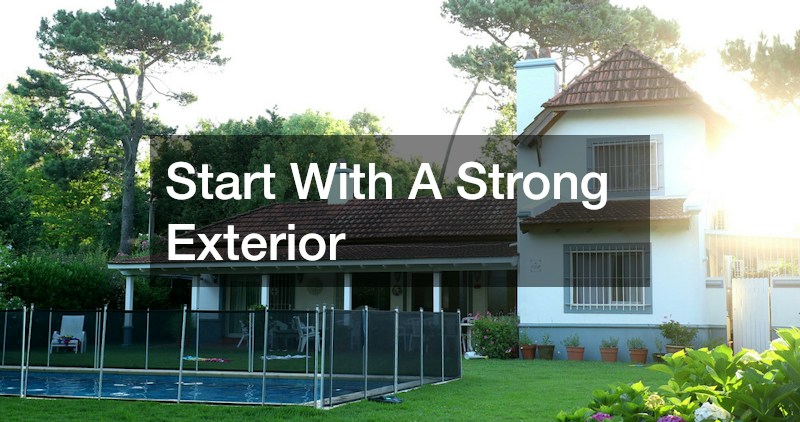
Start With A Strong Exterior
The exterior is your home’s first line of defence against weather. Rain, wind, snow, heat, and changing temperatures can gradually affect roofing, siding, windows, doors, and other components. Keeping these areas in good condition can prevent small problems from becoming larger sources of discomfort.
Regular inspections are a useful starting point. Look for cracked or missing shingles, damaged siding, deteriorating trim, blocked gutters, and signs of moisture around windows and doors. Addressing these issues early can help maintain the home’s ability to keep unwanted moisture and outdoor air outside.
Professional roofing services can also be valuable when the roof has reached the point where maintenance is no longer enough. A sound roof helps protect insulation, ceilings, walls, and personal belongings while contributing to a more secure and comfortable interior.
Exterior maintenance should also include checking caulking around windows and doors. Small gaps can allow drafts and moisture to enter. Replacing worn weatherstripping and sealing appropriate gaps can help create a tighter building envelope.
Improve Outdoor Protection And Storage
Outdoor structures can make a home more comfortable by adding useful space and protecting vehicles, equipment, and other belongings. This is particularly helpful when a garage does not provide enough room for everything a household needs.
Carports can provide sheltered parking without requiring the construction of a fully enclosed garage. Depending on the design and property, they can protect vehicles from sun, rain, snow, and falling debris while keeping the driveway area more functional.
Storage is another important consideration. A cluttered garage, porch, or entryway can make the entire home feel less organized. Outdoor storage sheds, cabinets, shelving, and weather-resistant containers can help keep seasonal items, gardening equipment, tools, and recreational gear in their proper places.
Think about convenience as well as capacity. Items used frequently should be easy to reach, while seasonal belongings can be stored farther away. A thoughtful storage system reduces the amount of time spent searching for things and prevents outdoor equipment from migrating into living spaces.

Create A More Comfortable Entryway
The transition between outdoors and indoors deserves attention because it is one of the busiest areas of a home. Shoes, coats, bags, umbrellas, sports equipment, and groceries often pass through the entryway every day.
An exterior improvement can begin with a covered entrance or a well-positioned porch. Adequate lighting is also important, particularly around steps, walkways, garages, and side entrances. Motion-activated lighting can provide convenience while improving visibility after dark.
The garage is another major point of entry. If the garage door is noisy, difficult to operate, or no longer seals properly, professional garage door service may improve both convenience and security. A properly functioning garage door can also help prevent drafts and unwanted outdoor air from entering an attached garage.
Inside the entryway, consider a bench, hooks, closed storage, and durable flooring. These additions can keep everyday clutter contained while making it easier to transition from outside activities to indoor relaxation.
Make Climate Control More Effective
Temperature has a major effect on how comfortable a home feels. Even beautiful rooms can be unpleasant when they are too hot, too cold, or inconsistent from one area to another.
A professional HVAC company can evaluate heating and cooling equipment, identify potential efficiency issues, and help homeowners determine whether an aging system needs repair, maintenance, or replacement. Regular servicing can also help equipment operate more reliably throughout demanding seasons.
However, the HVAC system is only part of the equation. Insulation, air sealing, windows, doors, and the roof all affect how efficiently conditioned air remains indoors. Improving these areas can reduce the workload placed on heating and cooling equipment.
Window treatments can provide another layer of comfort. During sunny periods, shades or curtains can reduce heat gain, while insulated coverings can help limit heat loss during colder weather. Ceiling fans can also improve air circulation and help rooms feel more comfortable without dramatically changing the thermostat.
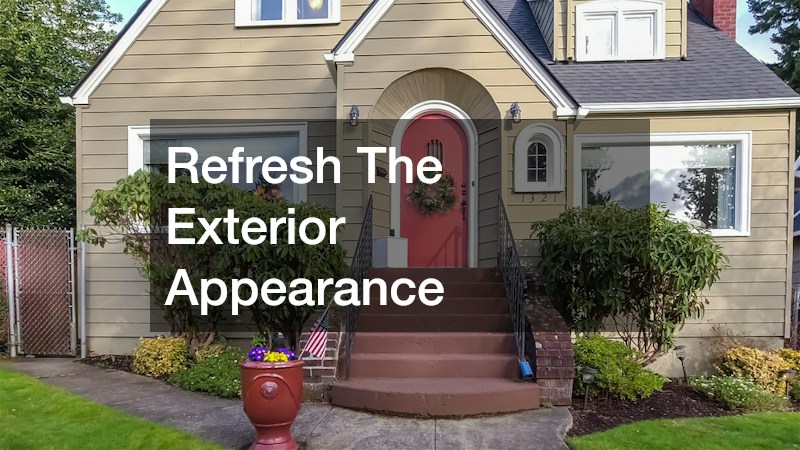
Refresh The Exterior Appearance
A home that looks cared for can feel more inviting before you even walk through the front door. Exterior appearance does not necessarily require a major renovation. Sometimes, relatively focused improvements can make a noticeable difference.
Fresh paint can transform siding, trim, doors, shutters, and other exterior elements. Exterior house painters can help homeowners choose appropriate finishes and prepare surfaces so the result is durable as well as attractive.
Colour selection matters because the exterior sets the tone for the entire property. Neutral base colours can provide a timeless appearance, while a more distinctive front door can add personality without overwhelming the design.
Small details can have an impact too. Updated house numbers, attractive lighting fixtures, planters, mailboxes, and hardware can help create a cohesive exterior.
The goal is not simply to make the home look newer. A well-maintained exterior can create a stronger sense of pride and make the property feel more welcoming when you arrive home.
Build A More Enjoyable Landscape
A comfortable home extends beyond the walls. The yard can provide space for relaxation, entertaining, gardening, play, and outdoor dining when it is designed around how the household actually uses it.
Thoughtful landscape design can help create distinct outdoor areas without making the property feel disconnected. For example, a seating area might be positioned near the house for easy access, while a garden or play space can occupy another section of the yard.
Shade is particularly valuable. Trees, pergolas, umbrellas, and strategically positioned structures can make patios and outdoor seating more pleasant during warm weather.
Landscaping should also account for maintenance. A beautiful yard that requires more upkeep than the homeowner has time for can become a source of stress. Choosing plants suited to the local climate and creating practical planting arrangements can make outdoor spaces easier to manage.

Keep Trees And Outdoor Areas Healthy
Trees can add shade, privacy, beauty, and value to a property, but they require appropriate care. Dead branches, diseased trees, and overgrown limbs can create safety concerns and potentially damage roofs, vehicles, fences, or utility lines.
A professional tree company can assess trees that appear unhealthy, overgrown, or unstable and determine what type of maintenance may be appropriate. Regular pruning can also help maintain clearance around structures and outdoor living areas.
Keeping trees properly maintained can contribute to comfort in several ways. Healthy shade trees may make outdoor spaces more enjoyable, while appropriate pruning can help keep branches away from roofs and other vulnerable areas.
Homeowners should also consider drainage when planning landscaping. Water should generally be directed away from the foundation rather than allowed to collect beside the house. Proper grading, drainage solutions, and thoughtful planting can help support a healthier and more comfortable property.
Make Moving And Rearranging Easier
Comfort is closely connected to flexibility. Homes need to accommodate changing household needs, new furniture, seasonal items, and different uses for individual rooms.
When large furniture needs to be brought into or out of the house, working with professional moving companies can make the process more manageable. This can be especially helpful for bulky furniture, appliances, mattresses, and items that are difficult to maneuver through narrow doorways or staircases.
Even without a move, periodically reconsidering furniture placement can improve a room. Walkways should remain clear, seating should encourage conversation, and frequently used items should be easy to access.
Avoid filling every available area with furniture. Open space can make rooms feel larger and provide greater flexibility. A comfortable home does not necessarily need more possessions; it often benefits from better organization and intentional placement.
Give The Bedroom More Attention
The bedroom has an especially important role because it is where the body and mind should be able to relax. Comfort here involves temperature, lighting, sound, storage, and—perhaps most importantly—the bed itself.
A local mattress store can be a useful place to compare different mattress types and determine which firmness and construction best suit individual preferences. Since mattresses are highly personal, being able to test options can be helpful when replacing an older mattress.
Bedding also influences comfort throughout the year. Breathable materials can be useful during warmer months, while layered blankets allow greater flexibility when temperatures fall.
Lighting should support both relaxation and functionality. A combination of general lighting, bedside lamps, and lower-level accent lighting allows the room to adapt to different activities.
Keep the bedroom visually calm whenever possible. Excessive clutter, piles of laundry, and work-related items can make it harder for the room to feel like a dedicated place for rest.
Improve Bathroom Function And Privacy
Bathrooms are another area where relatively focused improvements can make everyday routines more comfortable. A bathroom does not need to become a luxury spa to feel better. Small changes to functionality, storage, lighting, and layout can make a substantial difference.
For example, shower door installation can give a bathroom a cleaner, more finished appearance while helping define the shower area. Depending on the design, glass doors can also make a bathroom feel more open than a traditional shower curtain.
Storage should be considered carefully. Frequently used toiletries should be accessible without covering the vanity or shower ledges. Wall-mounted storage, recessed niches, and organizers can help keep surfaces clear.
Ventilation is equally important. A properly functioning bathroom exhaust fan helps manage moisture, which can contribute to condensation and other problems when it is not adequately controlled. Make sure ventilation systems are maintained and that moisture has an appropriate path out of the room.
Focus On Sound And Privacy
Temperature is only one aspect of comfort. Noise can have an equally significant effect on how relaxing a home feels.
Exterior doors and windows are important starting points. Gaps around these openings can allow both air and sound to travel more easily. Proper sealing can help create a quieter interior while also supporting energy efficiency.
Landscaping can contribute to privacy and noise reduction as well. Fences, shrubs, trees, and strategically placed planting beds can create separation between the home and neighbouring properties or busy streets.
Inside, rugs, curtains, upholstered furniture, and other soft materials can reduce echoes. Bedrooms and living rooms may benefit particularly from these additions because they help create a quieter, more relaxed atmosphere.
Plan Improvements Around Everyday Life
The most effective home improvements are not necessarily the most expensive. They are the ones that solve problems the household experiences regularly.
Pay attention to small frustrations. Is the driveway difficult to navigate? Does the bedroom become too warm in the afternoon? Is the garage always cluttered? Does rain collect near the foundation? Is the entryway constantly covered in shoes and bags?
Each problem can point toward a practical improvement.
It can also help to prioritize projects according to urgency. Structural and safety-related issues should generally come before cosmetic changes. Once essential maintenance is addressed, homeowners can focus on upgrades that improve convenience, appearance, energy performance, and relaxation.
Build Comfort One Improvement At A Time
A more comfortable home does not have to result from one massive renovation. It can develop through a series of thoughtful decisions that improve the relationship between the property, its outdoor spaces, and its interior rooms.
Maintaining the exterior protects the home from the elements. Better storage and entryways simplify daily routines. Landscaping creates more enjoyable outdoor areas, while attention to climate control, bedrooms, bathrooms, and sound helps make the interior more relaxing.
The best approach is to consider the entire property as one connected environment. Start with the improvements that solve your biggest problems, then work gradually toward the features that make the home more enjoyable. With thoughtful planning and professional help where appropriate, you can create a property that feels more welcoming, functional, and comfortable from the outside in.