
A home improvement project can begin with something as small as peeling paint or as serious as a crack near a foundation. Although these concerns look different, they share an important lesson: lasting improvements depend on understanding what caused the problem before choosing a solution. Repairs made in the wrong order can create extra costs, especially when cosmetic upgrades conceal damage that continues to spread.
Homeowners benefit from viewing their property as a connected system. Structural framing supports finished surfaces, exterior materials help manage weather exposure, and ventilation affects the condition of rooms and appliances. A change in one area may influence another, which makes planning just as valuable as choosing attractive finishes. The goal is not to renovate everything at once but to identify practical steps that protect the home while improving daily life.
A successful approach balances safety, durability, appearance, and cost. It also recognizes when professional evaluation is necessary and when routine maintenance can prevent a minor concern from becoming a major repair. From load-bearing components to flooring and laundry equipment, each decision can contribute to a home that functions better and remains easier to maintain over time.
Identifying Structural Problems Before Renovating
Before selecting finishes or rearranging rooms, examine areas that may indicate structural movement or water intrusion. Doors that suddenly stick, cracks that grow wider, sloping floors, and gaps around window frames are worth documenting. None of these signs automatically proves a serious structural defect, but noticeable changes deserve attention, particularly when several symptoms appear together.
Start with a visual inspection of accessible spaces, including basements, crawl spaces, attics, and exterior walls. Note where moisture collects, where supports appear damaged, and whether previous repairs have begun to fail. Photographs with dates can help contractors understand whether a condition is stable or changing, although they cannot replace a qualified inspection.
For projects involving framing, engineered lumber may provide an option where design requirements call for specific dimensions or predictable performance. Products such as laminated veneer lumber and engineered joists are manufactured for defined structural uses. Their suitability depends on load calculations, span limits, connections, and local building requirements, not simply on the material’s appearance or advertised strength.
Homeowners should avoid cutting, moving, or removing structural members without appropriate guidance. A licensed structural engineer or qualified building professional can assess the proposed changes and determine whether permits are required. Addressing damaged framing or foundation concerns before installing new flooring and wall finishes helps prevent expensive work from needing to be reopened later.

Selecting Materials That Match Each Project
A durable renovation begins with choosing products suited to the location, expected use, and surrounding construction. Building materials that perform well in a dry bedroom may not be appropriate for a basement or an exposed entryway. Moisture resistance, maintenance demands, installation requirements, and compatibility with existing surfaces should guide the selection process more than appearance alone.
Compare specifications instead of relying only on showroom samples. For example, underlayment requirements can affect flooring performance, while the type of fastener can determine how well an exterior assembly resists deterioration. Ask suppliers for installation instructions, product limitations, and warranty conditions, and discuss how those details apply to the specific home.
Outdoor improvements often require additional planning. Stone suppliers may offer natural stone, manufactured products, and aggregates for patios, walkways, retaining features, or decorative surfaces. Before purchasing, determine whether a material is appropriate for freeze-thaw exposure, anticipated foot traffic, drainage conditions, and the support available beneath it.
For concrete-related work, a product described as cement ready mix should be evaluated for its actual composition and intended application. Concrete, mortar, and other cement-based mixes are not interchangeable, and a bagged mixture suitable for one repair may be unsuitable for a structural slab. Proper base preparation, mixing proportions, placement, and curing are just as important as selecting the right product.
Protecting the Exterior From Weather Damage
Exterior surfaces are the home’s first line of defense against rain, wind, temperature changes, and everyday wear. Small gaps around windows, damaged trim, cracked cladding, or deteriorated sealant can allow moisture into assemblies that are difficult to inspect. Periodic checks after severe storms can reveal issues before they affect insulation, sheathing, or interior walls.
Stucco deserves particular attention because its appearance can hide different underlying problems. Hairline cracks may result from ordinary movement, while wider cracks, stains, bulging areas, or persistent dampness can indicate that water is entering behind the finish. A stucco company can evaluate the condition of the surface and explain whether localized repair, moisture investigation, or a larger remediation effort is appropriate.
Exterior maintenance should also include drainage. Clear gutters, direct downspouts away from the foundation, and check whether soil slopes toward the house. Water that repeatedly collects next to walls or steps can accelerate deterioration even when the surface materials themselves were installed correctly.
When planning a new patio, walkway, or exterior wall treatment, consider how the improvement will interact with existing openings and drainage paths. Raising the finished grade too close to siding or trapping water against a foundation can introduce problems that outweigh the visual benefit. Durable exterior work considers the entire assembly, not just its visible finish.

Updating Flooring for Comfort and Practicality
Flooring changes can transform the way a room looks and feels, but successful installation begins beneath the finished surface. Uneven subfloors, lingering moisture, loose boards, or damaged underlayment can shorten the life of a new covering. Inspect these conditions before ordering material so the project budget includes necessary preparation instead of treating it as an unexpected extra.
A carpet and flooring store can help homeowners compare products based on use, cleaning habits, and comfort preferences. Carpet may offer softness and sound absorption in bedrooms, while hard surfaces can simplify cleanup in busy common areas. Families with pets or frequently used entrances may prioritize stain resistance and durability over a particular trend or color.
Luxury vinyl plank is another option for spaces where a wood-like appearance and relatively straightforward maintenance are appealing. Homeowners researching lvp flooring services should ask how installers measure moisture, prepare the subfloor, handle transitions, and follow the manufacturer’s expansion and installation instructions. Product performance depends on correct installation and site conditions, even when the surface itself is designed to resist everyday spills.
Think about how adjacent rooms connect before choosing different floor coverings. Changes in height can create awkward thresholds, while inconsistent installation details can affect doors, trim, and accessibility. Sampling materials under the home’s actual lighting and considering long-term cleaning routines can lead to choices that remain satisfying after the renovation is complete.
Refreshing Interior Walls and Finishes
A fresh coat of paint often provides a noticeable change without altering a room’s layout. However, good results require more than choosing a color. Surface cleaning, patching, sanding, priming, and selecting the appropriate coating determine whether the finish looks consistent and holds up to normal use.
Interior painting contractors can assess worn surfaces, identify areas needing repairs, and recommend products based on the room’s conditions. Kitchens, bathrooms, hallways, and children’s rooms face different demands, so the most suitable paint finish may vary. Homeowners should discuss preparation methods, ventilation, drying time, and what furniture or fixtures must be moved before work begins.
Pay particular attention to staining, peeling, or bubbling paint. These symptoms can signal moisture issues, and repainting before correcting the source may only hide the problem temporarily. If a wall feels damp or the same patch repeatedly deteriorates, investigate plumbing leaks, condensation, or exterior water entry before applying another finish.
Color selection also deserves practical thought. Test several samples at different times of day because artificial and natural light can change how paint appears. Coordinating wall colors with floors, cabinets, and trim creates a more cohesive result without requiring every surface to match. Thoughtful preparation and restrained choices can make a modest update feel substantial.
Addressing Moisture and Indoor Environmental Concerns
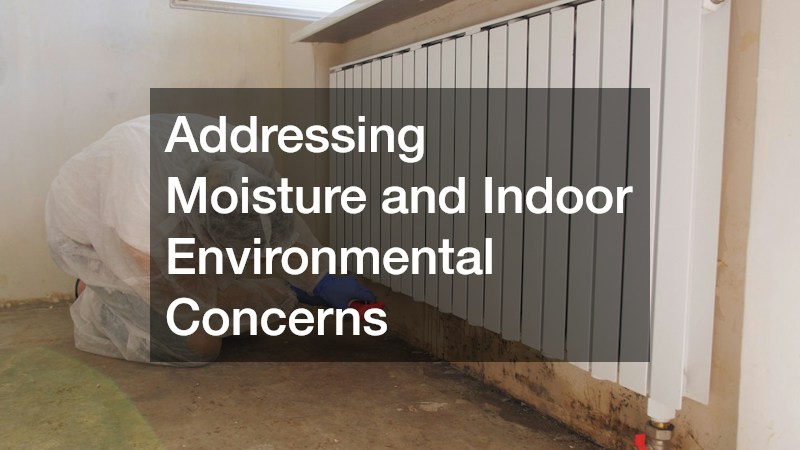
Excess moisture affects much more than appearances. It can damage wood, weaken finishes, create persistent odors, and encourage microbial growth in susceptible materials. Basements, bathrooms, attics, and areas near plumbing connections deserve regular attention because moisture problems may develop gradually and remain unnoticed behind stored belongings.
Homeowners should look for discoloration, musty smells, condensation, and recurring damp spots. A simple response might involve improving ventilation or fixing an obvious leak, but widespread or recurring damage calls for a more detailed assessment. The priority is to identify and correct the moisture source, not simply cover the affected surface with paint or deodorizer.
When contamination is extensive or affects difficult-to-access areas, mold removal services can help determine the scope of cleanup and appropriate containment measures. Professionals may need to remove porous materials that cannot be cleaned adequately and protect unaffected spaces while work proceeds. The process should follow the actual condition of the property rather than a one-size-fits-all treatment.
Preventive habits are equally important after repairs. Use exhaust fans during moisture-producing activities, maintain plumbing connections, and address water intrusion promptly. Monitoring humidity and keeping stored items away from repeatedly damp walls can make developing problems easier to spot. Effective moisture management supports the lifespan of other renovations, including new flooring, cabinetry, and painted surfaces.
Maintaining Appliances and Household Systems
Not every meaningful home improvement is visible to guests. Appliances, ventilation components, and other household systems affect convenience, energy use, and safety every day. Maintaining them can protect nearby finishes and reduce the chance of disruptions that lead to larger repair bills.
Laundry equipment is a useful example. A dryer that takes longer than usual to dry clothes, overheats, makes unusual sounds, or stops midcycle should be evaluated rather than repeatedly restarted. The symptoms may involve airflow restrictions, worn components, electrical problems, or other faults that require different remedies.
Scheduling dryer repairs with a qualified technician can help identify the cause without unnecessary part replacement. Homeowners should also clean the lint screen after each load and inspect the exhaust system according to the manufacturer’s guidance. A blocked or damaged vent can impair drying performance and create a fire hazard, so ventilation issues should not be ignored.
Similar principles apply to other household equipment. Keep maintenance records, follow recommended service intervals, and investigate leaks or unusual performance before they damage adjacent floors and walls. When replacing appliances, confirm that electrical connections, clearances, ventilation, and available space meet the new model’s requirements. Small preventive steps can preserve the benefits of larger improvements elsewhere in the home.

Coordinating Improvements for Long-Term Value
A home renovation becomes easier to manage when projects follow a logical sequence. Begin with urgent safety concerns, active leaks, and structural conditions. Next, address building systems and the underlying surfaces that new finishes will cover. Decorative updates should generally come later, once the work that could disturb them has been completed.
Create a written scope that separates essential repairs from optional upgrades. Request detailed estimates identifying labor, materials, preparation, disposal, and anticipated changes to existing structures. Comparing proposals on the same scope is more useful than choosing a contractor based on a single bottom-line figure, especially when one estimate excludes necessary preparation.
Scheduling matters as much as budgeting. For example, moisture repairs should be finished before new carpet or vinyl is installed, and major wall repairs should precede painting. If outdoor drainage work will change the grade near a foundation, complete that evaluation before spending money on landscaping or decorative hardscaping in the same location.
Build flexibility into the plan for conditions that only become visible after demolition. Keep copies of permits, product specifications, warranties, and photographs of work concealed behind finished surfaces. These records can help with future repairs and make it easier to explain previous changes to new contractors or prospective buyers.
The most worthwhile improvements are not necessarily the largest or most expensive. They are the ones that solve actual problems, fit the way the household uses each space, and reduce avoidable maintenance. By coordinating structural work, exterior protection, interior finishes, and equipment care, homeowners can make steady progress toward a comfortable, functional property without treating every project as an isolated task. Regular reviews also help prioritize repairs as household needs change.