A home’s exterior is its first line of defense against weather, wear, and time. While many homeowners focus on interior upkeep, exterior maintenance plays an equally important role in preserving safety, comfort, and long-term value. Small issues outside—if left unattended—can quietly turn into expensive repairs that affect the entire structure.
Scheduling annual exterior maintenance helps homeowners stay ahead of problems rather than reacting to emergencies. This guide breaks down the most important exterior tasks to plan each year, offering practical advice and clear explanations so you can protect your home with confidence and consistency.
1. Schedule a Full Exterior Inspection to Catch Problems Early
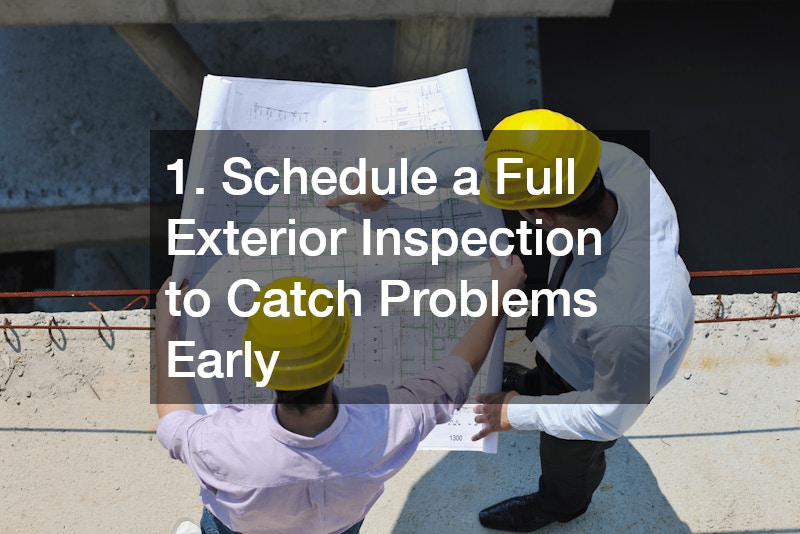
An annual, top-to-bottom exterior inspection creates the foundation for every other maintenance task. Instead of addressing issues piecemeal, a comprehensive review helps homeowners understand how different exterior components work together—and where vulnerabilities may exist.
A professional inspection coordinated by general contractors often includes a review of multiple systems, such as siding, roofing edges, drainage paths, exterior walls, and structural connections. This holistic approach is valuable because exterior problems rarely exist in isolation.
What a full exterior inspection should cover:
- Visible cracks or shifting in exterior walls and foundations
- Signs of water intrusion near windows, doors, and trim
- Drainage patterns around the home’s perimeter
- Wear on exterior materials caused by sun, wind, and moisture
- Areas where pests could enter the structure
Why annual inspections matter:
- Small defects are easier and cheaper to fix early
- Prevents compounding damage across multiple systems
- Helps prioritize repairs based on urgency, not guesswork
- Creates documentation useful for resale or insurance purposes
Homeowners who schedule regular inspections gain clarity and control, making future maintenance decisions far more strategic.
2. Inspect and Maintain Insulation in Walls, Attics, and Crawlspaces
Exterior insulation plays a crucial role in protecting your home from temperature extremes and moisture infiltration. While insulation is often thought of as an interior concern, much of its effectiveness depends on exterior conditions and barriers remaining intact.
An annual evaluation by an insulation contractor focuses on areas where insulation interacts with exterior walls, roofs, and foundations. Over time, insulation can shift, compress, or degrade due to moisture, pests, or settling.
Signs insulation may need attention:
- Uneven indoor temperatures from room to room
- Increased energy bills with no clear explanation
- Cold floors above crawlspaces
- Drafts near exterior walls
Key maintenance considerations:
- Check for moisture intrusion that can reduce insulation performance
- Inspect vapor barriers in crawlspaces and basements
- Seal gaps where insulation meets exterior framing
- Replace damaged or compressed insulation materials
Proper insulation maintenance supports the entire exterior envelope, helping other materials last longer and perform better.
3. Clean, Repair, and Secure Gutters and Downspouts
Gutters quietly protect nearly every part of your home’s exterior by controlling how water moves away from the structure. When they fail, damage can occur rapidly and invisibly.
Annual gutter maintenance prevents water from overflowing onto siding, pooling near foundations, or seeping into basements. Even homes with gutter guards benefit from routine inspections and cleaning.
Annual gutter tasks to schedule:
- Remove leaves, debris, and sediment
- Check for sagging, loose fasteners, or separation
- Inspect seams and joints for leaks
- Confirm downspouts direct water away from the home
Problems caused by neglected gutters:
- Foundation erosion and settling
- Rotting fascia and trim boards
- Basement moisture and mold
- Staining or deterioration of exterior walls
Keeping gutters functional is one of the most cost-effective exterior maintenance steps homeowners can take.
4. Check Siding for Damage, Moisture Intrusion, and Wear
Siding protects your home from the elements while contributing significantly to curb appeal. Because it faces constant exposure, even durable materials require regular inspection and care.
A yearly visit from a siding company can identify early warning signs that homeowners may overlook, especially subtle moisture issues hidden beneath the surface.
What to look for during a siding inspection:
- Cracks, warping, or loose panels
- Soft spots that indicate rot or moisture damage
- Fading or discoloration caused by sun exposure
- Mold or mildew growth along seams
Maintenance tips:
- Wash siding annually using manufacturer-approved methods
- Reseal joints and trim where necessary
- Repair isolated damage promptly to prevent spreading issues
Well-maintained siding not only improves appearance but also preserves the integrity of the entire building envelope.
5. Inspect Exterior Plumbing Connections and Drainage Systems
Exterior plumbing is often out of sight, making it easy to forget—until something goes wrong. Annual inspections by plumbing contractors help prevent leaks that can damage foundations, landscaping, and hardscapes.
Exterior plumbing includes hose bibs, irrigation lines, drainage pipes, and outdoor fixtures. Seasonal temperature changes and soil movement place stress on these systems over time.
Annual plumbing checks should include:
- Inspecting hose connections for leaks or corrosion
- Testing outdoor shutoff valves
- Checking drainage pipes for blockages
- Examining irrigation systems for pressure issues
Why exterior plumbing maintenance matters:
- Prevents water waste and high utility bills
- Reduces soil erosion near foundations
- Protects concrete and masonry from water damage
Proactive care keeps minor plumbing issues from becoming major structural concerns.
6. Maintain Fences, Gates, and Boundary Structures
Fences are more than just boundaries; they provide essential privacy, security, and aesthetic appeal for any property. However, because they are constantly exposed to the elements—sun, rain, snow, and wind—as well as shifting soil and physical wear, fences are vulnerable to a variety of problems over time. Without regular attention, minor issues can escalate, leading to expensive repairs or even complete replacement. Annual upkeep ensures that fences remain structurally sound, visually appealing, and fully functional, protecting both property and investment.
Engaging a professional fence company service for yearly inspections is highly recommended. Experts can evaluate the overall stability of your fence, check for alignment problems, and assess the condition of materials, particularly after harsh weather seasons. They also help identify hidden issues, such as post rot below ground level or rust forming in metal components, which may not be immediately visible but can significantly weaken the structure.
Annual fence maintenance checklist:
- Inspect fence posts for signs of rot, rust, or loosening from the ground
- Ensure gates swing freely and latch securely to maintain safety and functionality
- Replace any broken, cracked, or warped boards or panels
- Clean and reseal wood or metal surfaces to protect against moisture and UV damage
Neglecting fence maintenance can lead to common issues such as leaning or collapsed sections, sagging gates that compromise security, and accelerated material decay. By adhering to a consistent maintenance schedule, homeowners not only preserve the appearance and functionality of their fences but also avoid the higher costs associated with major repairs or full replacements. Regular care prolongs the lifespan of fencing, ensuring it continues to serve its intended purpose safely and effectively.
7. Inspect Concrete Surfaces for Cracks, Settling, and Drainage Issues
Concrete surfaces such as driveways, walkways, patios, and steps are some of the most heavily used areas of a home’s exterior, making them particularly susceptible to wear and tear. Daily foot traffic, vehicle weight, and exposure to the elements—including sun, rain, snow, and freeze-thaw cycles—can gradually degrade these surfaces. Even small cracks or minor settling may seem insignificant at first, but over time they can expand, compromise structural stability, and create safety hazards like tripping points or uneven surfaces.
An annual inspection by a concrete contractor helps homeowners catch these problems early. Professionals evaluate not only visible surface issues but also underlying factors such as soil movement, drainage patterns, and sub-base conditions. These inspections ensure that minor defects are addressed before they evolve into costly repairs or replacements.
Key areas to inspect annually include:
- Hairline cracks that could expand with weather changes or heavy loads
- Uneven or sunken sections caused by soil settling or erosion
- Pooling water that may accelerate surface deterioration or promote algae growth
- Surface spalling, scaling, or flaking caused by repeated freeze-thaw cycles
Preventive concrete maintenance steps:
- Apply sealants to protect surfaces from water and chemical damage
- Repair minor cracks promptly to prevent expansion
- Ensure proper drainage around slabs to avoid standing water
By investing in routine care, homeowners can extend the lifespan of concrete surfaces, maintain a safe environment, and reduce long-term repair costs while keeping their outdoor spaces attractive and functional.
8. Examine Brick, Stone, and Mortar for Structural Integrity
Masonry elements add significant strength, durability, and aesthetic appeal to a home, serving as both functional and decorative components. Brick, stone, and other masonry materials can last for decades, but they are not impervious to the effects of weather, moisture, or structural movement. Over time, repeated exposure to rain, snow, freeze-thaw cycles, and temperature fluctuations can cause mortar joints to deteriorate, stones to shift, or bricks to crack. Even minor damage, if left unaddressed, can escalate into serious structural issues that are costly and complex to repair.
Annual evaluations by masonry contractors are essential for detecting these early warning signs before they compromise the home’s stability. Professionals trained in masonry inspection can identify subtle problems that the untrained eye may overlook, ensuring repairs are performed proactively rather than reactively.
Signs masonry needs attention include:
- Crumbling or missing mortar that weakens structural integrity
- Cracks in brick, stone, or concrete blocks, often indicating stress or shifting
- White residue (efflorescence) on surfaces, signaling water infiltration
- Bulging, leaning, or shifting walls that may suggest foundation movement or settling
Recommended annual masonry tasks include:
- Inspecting mortar joints, flashing, and other protective elements for wear or damage
- Scheduling repointing when mortar is weakened, cracked, or missing
- Sealing masonry surfaces to reduce water penetration and prevent freeze-thaw damage
- Cleaning surfaces gently to prevent deterioration without damaging the material
Regular maintenance preserves not only the safety and structural integrity of masonry but also its visual appeal, keeping the exterior of your home strong, attractive, and resistant to weather and time. Prioritizing annual inspections ensures small problems are resolved early, extending the lifespan of these long-lasting features.
9. Inspect and Service Exterior Doors for Security and Efficiency
Exterior doors affect energy efficiency, security, and weather protection, serving as a critical barrier between your home and the elements. Even high-quality doors can gradually lose effectiveness due to regular use, exposure to moisture, temperature fluctuations, and natural material aging. Without routine attention, small issues such as worn seals or loose hardware can lead to drafts, higher utility bills, and reduced home security.
Annual checks—and timely door installations when replacement is needed—help ensure doors seal tightly, open and close smoothly, and continue providing reliable protection. Scheduling inspections once a year allows homeowners to address problems early, before they compromise comfort or safety.
Annual door maintenance steps include:
- Inspecting weatherstripping and thresholds for cracks, compression, or gaps that allow air and moisture intrusion
- Checking door alignment to ensure it closes evenly within the frame
- Testing handles, locks, and hinges to confirm secure operation
- Tightening loose hardware and lubricating moving parts
- Repairing minor warping, surface damage, or seal failures
In some cases, repair is no longer sufficient, and replacement becomes the smarter long-term option.
Door replacement may be necessary when you notice:
- Persistent drafts or moisture leaks despite repeated repairs
- Visible structural damage such as cracks, rot, or severe warping
- Doors that no longer fit properly due to shifting frames
Well-maintained doors improve indoor comfort, enhance safety, and reduce energy loss year-round. Investing time in annual inspections—and upgrading when needed—helps ensure your home remains secure, efficient, and well protected in every season.
10. Maintain Pools, Decks, and Surrounding Outdoor Features
Outdoor living spaces require consistent care to remain safe and enjoyable. Pools, decks, and surrounding areas face constant exposure to moisture, sun, and foot traffic.
Annual swimming pool maintenance should be coordinated with inspections of nearby surfaces and structures to prevent interconnected damage.
Annual pool-area tasks include:
- Inspecting pool surfaces and liners
- Checking surrounding concrete or decking
- Ensuring proper drainage away from structures
Why this matters:
- Prevents water damage to nearby materials
- Reduces safety hazards
- Extends the lifespan of outdoor investments
Coordinated maintenance keeps outdoor spaces functional and inviting.
Exterior home maintenance is not about reacting to visible damage—it’s about preventing problems before they disrupt daily life or strain your budget. By scheduling annual inspections and upkeep across all major exterior systems, homeowners create a reliable routine that protects both structure and value.
Consistency is the key. When maintenance becomes part of a yearly plan, homes remain safer, more efficient, and more enjoyable for years to come.