
Keeping a home running smoothly requires far more than reacting when something breaks. Every major system—from heating and cooling to plumbing, roofing, appliances, and exterior surfaces—plays a role in the overall functionality, comfort, and safety of the property. When even one system begins to fail, it can create a ripple effect that impacts energy efficiency, indoor air quality, structural integrity, or day-to-day convenience.
Many homeowners unintentionally fall into a pattern of reactive maintenance, addressing issues only after they become disruptive or expensive. However, a proactive and structured approach allows homeowners to prevent most emergencies, extend the lifespan of major components, and reduce overall repair costs. Seasonal inspections, preventive care, professional servicing, and strategic planning significantly increase the reliability of the home and reduce stress over unexpected failures.
By understanding how each system functions and how it contributes to year-round performance, homeowners can build a comprehensive maintenance plan that keeps the property safe, efficient, and comfortable. This guide offers in-depth insights and practical strategies for maintaining all essential systems, ensuring that your home remains in top condition throughout every season.
Create a Year-Round Maintenance Plan for All Systems

A successful maintenance strategy begins with planning. Rather than waiting for systems to show signs of trouble, homeowners should implement a structured, year-round schedule that includes seasonal tasks and professional inspections. This not only preserves the value of the property but also prevents small issues from becoming large, costly problems.
Start by documenting every major system in the home: roofing, plumbing, heating, air conditioning, electrical, appliances, and exterior surfaces. Each of these requires different types of attention, and some need more frequent checks than others. A well-managed plan ensures that nothing is overlooked, even during busy seasons.
It’s helpful to divide maintenance tasks into quarterly priorities. For example, spring is ideal for evaluating cooling systems and inspecting drainage areas, while fall is perfect for heating preparation and weatherproofing. Each seasonal inspection should include a visual check, minor cleaning, and a review of performance indicators such as noise levels, energy consumption, or visible wear.
When more specialized assistance is necessary, homeowners can rely on professional support. This includes tasks like complex diagnostics from an appliance repair service or advanced troubleshooting from an expert in AC repair. Professionals can catch early warning signs that are easy for homeowners to miss, ensuring that each system remains reliable and efficient.
To manage your plan effectively:
- Create a digital or printed checklist for every season.
- Track the last date of service for major systems.
- Note recurring minor problems that may signal a deeper issue.
- Schedule professional inspections annually or biannually.
A structured approach like this provides peace of mind, reduces unexpected breakdowns, and ensures consistent comfort throughout the year.
Strengthen Your Home’s Roof for Year-Round Protection
The roof is one of the most important components of the home’s protective envelope. When maintained properly, it shields the structure from rain, snow, UV rays, wind, and debris. However, even minor issues can rapidly escalate into widespread damage affecting insulation, ceilings, walls, and electrical components.
Seasonal inspections are essential for detecting early warning signs. Homeowners should look for missing shingles, lifted flashing, debris accumulation, moss growth, sagging areas, or visible wear. Small problems left unaddressed can lead to major water infiltration, mold development, and compromised structural integrity.
Working with local roofers is especially beneficial, as they understand regional weather patterns and common vulnerabilities. Their expertise allows them to identify issues that might be invisible to the untrained eye and recommend efficient solutions. When more serious issues arise, homeowners may require professional roof repair to restore protection and prevent long-term deterioration.
A proactive approach to roof management includes:
- Clearing gutters twice a year to prevent water backup.
- Removing overhanging branches that may scrape or puncture shingles.
- Checking attic ventilation to reduce heat damage.
- Inspecting for leaks after major storms.
By maintaining the roof consistently, homeowners protect not only the outer structure but also the energy efficiency and air quality inside the home.
Maintain Heating Efficiency and Cold-Weather Performance
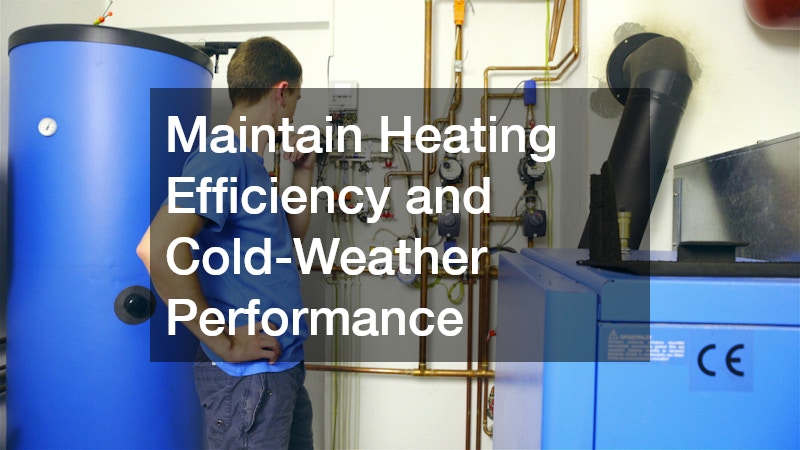
When temperatures drop, a reliable heating system becomes essential. However, breakdowns often occur during the heaviest usage periods, leaving homeowners uncomfortable and sometimes unsafe. Consistent care prevents many of these problems and ensures stable performance throughout the colder months.
Annual tune-ups should be part of every homeowner’s routine. During these evaluations, professionals inspect burners, test ignition systems, check thermostat accuracy, clean internal components, and verify that all parts are functioning efficiently. This reduces energy waste and helps the system operate at peak performance.
Understanding early warning signs is also crucial. Unusual noises, inconsistent temperatures, increasing utility costs, or slow heating response may all indicate underlying trouble. Addressing these signs promptly through professional heater repair can prevent more serious failures.
Some situations may also require broader HVAC repair, especially when air movement, airflow balance, or thermostat communication is affected. Heating and cooling systems are interconnected, and an issue in one area can influence the entire system’s performance.
To maintain heating reliability:
- Replace filters every one to three months.
- Keep vents open and unobstructed for proper airflow.
- Seal drafts around windows and doors.
- Install a smart thermostat for better energy control.
With consistent attention, homeowners can maximize heating efficiency, reduce utility costs, and maintain comfortable indoor temperatures even during severe cold.
Keep Plumbing Systems Healthy and Leak-Free
A home’s plumbing system supports everyday activities such as cooking, cleaning, bathing, and heating water. Because plumbing is largely concealed behind walls and floors, issues can go unnoticed until they cause significant damage. Proactive inspections and preventive care are crucial for minimizing risk.
Homeowners should routinely check exposed pipes for corrosion, leaks, or loose connections. Under-sink cabinets, basements, utility rooms, and crawl spaces are especially important areas to inspect. Signs like water spots, dripping, low pressure, or unexpected increases in water bills often indicate developing issues.
Hot water access is another critical component of plumbing performance. When water temperature fluctuates, tanks make unusual noises, or heating seems inconsistent, it may be time to consult a water heater repair service. Water heaters work under constant pressure and heat, making them vulnerable to wear, sediment buildup, or mechanical failures.
Clogs, backups, and slow drains are also early warnings that something may require attention. Prompt plumbing repair solves these issues before they become emergencies that lead to water damage or flooded areas. Professionals can also advise on pipe upgrades, insulation for winter protection, and long-term solutions for recurring problems.
To support a healthy plumbing system:
- Avoid chemical drain cleaners that damage pipes.
- Install mesh filters in sinks and showers to catch debris.
- Insulate exposed pipes during winter.
- Flush the water heater periodically to remove sediment.
A well-maintained plumbing system supports comfort, sanitation, and overall home safety while preventing costly emergency repairs.
Protect Exterior Surfaces and Driveways From Deterioration

Exterior surfaces constantly battle harsh weather, foot traffic, vehicle weight, and natural wear. Over time, driveways, walkways, and paved areas can develop cracks, holes, or uneven surfaces. These imperfections not only affect appearance but can also create safety hazards and lead to deeper structural issues.
Seasonal inspections help identify early signs of deterioration. Homeowners should check for cracks, potholes, heaving, pooling water, and vegetation growing through paved areas. These problems worsen rapidly if neglected, especially during freeze-thaw cycles.
When small issues appear, timely asphalt repairs can stop the damage from spreading. Professional repair services can seal cracks, smooth surfaces, and restore structural integrity before the damage becomes severe. More extensive surface breakdowns may require assistance from asphalt paving companies. These professionals can resurface or replace driveways entirely, ensuring long-lasting durability.
Preventive measures for protecting exterior surfaces include:
- Keeping surfaces clean and free of debris.
- Resealing paved areas every two to three years.
- Improving drainage around driveways and walkways.
- Avoiding heavy vehicle weight on weak areas.
Regular care maintains a polished appearance and protects the property’s long-term value while preventing avoidable safety concerns.
Ensuring a Reliable and Safe Water System
A home’s hot water supply affects daily routines more than many homeowners realize. When the water heater begins to fail, you might notice lukewarm water, strange noises from the tank, or higher energy bills. Taking quick action prevents costly breakdowns. Sometimes, you can troubleshoot basic issues, such as checking the thermostat settings or flushing the tank to remove sediment. But persistent problems call for expert evaluation. A trusted water heater repair service can diagnose issues like burner failure, thermostat malfunction, or internal corrosion. By resolving these complications early, you maintain efficiency while avoiding the expense of premature replacement. This proactive approach also safeguards water quality, keeping your home’s plumbing system functioning reliably every day.
Preventative care routines can extend a unit’s lifespan substantially. For example, scheduling annual inspections gives technicians a chance to catch problems early. They may examine the anode rod, which protects the tank from rusting, or review the pressure-relief valve for safety. Homeowners can also take simple steps such as insulating the tank and nearby pipes to reduce heat loss. An ideal schedule mixes self-checks and expert assessments. Professional guidance ensures you never overlook subtle warning signs, while routine homeowner habits support long-term system performance. Combining both approaches provides strong protection against unexpected service interruptions.
Extending the Life of Your Driveway and Walkways
Your home’s exterior surfaces face constant wear from weather, vehicle weight, and activity. Over time, small cracks can grow into major concerns if not addressed quickly. This is where asphalt repairs help protect your property. Handling these issues early prevents moisture from penetrating the sublayers, where it can freeze, expand, and weaken the structure. Besides enhancing safety, patching or sealing these flaws improves curb appeal and raises the overall value of your home. A smooth driveway also prevents tripping hazards and reduces long-term maintenance costs. Prioritizing surface care is one of the most efficient ways to preserve your home’s appearance and structural integrity.
For more extensive improvements, some homeowners choose to consult asphalt paving companies. These professionals offer services such as resurfacing, new installations, and large-scale rejuvenation. They use high-quality equipment designed for optimal compaction and durability. Compared to quick DIY patches, professional resurfacing lasts longer and requires fewer future interventions. An expert team can also evaluate grading to ensure proper drainage, preventing erosion or pooling water. With guidance from experienced specialists, homeowners can choose the best solution for their needs—whether that’s a minor fix or a complete upgrade. Investing in professional support now saves time, money, and frustration over the long term.
Improving Indoor Comfort and System Longevity
Home comfort systems play an essential role in creating a healthy and controlled indoor environment. Seasonal temperature shifts often place strain on critical components, and without regular attention, energy use can rise sharply. One of the most effective practices for maintaining performance is addressing issues early through proper troubleshooting. When you notice unusual noises, inconsistent airflow, or sudden spikes in utility bills, it’s wise to seek guidance. A trained technician specializing in HVAC repair can identify refrigerant leaks, airflow blockages, or electrical problems before they escalate. By correcting these concerns promptly, you help the system run more efficiently while preventing long-term failures.
Warm-weather comfort is equally important, and homeowners should pay attention when cooling equipment shows signs of trouble. Delayed action often leads to a complete shutdown during the hottest part of the year. If you hear grinding sounds or notice warm air blowing from the vents, technicians skilled in AC repair can intervene quickly. They can recalibrate sensors, clean clogged coils, or restore proper airflow. When combined with routine filter replacements and seasonal inspections, these efforts greatly extend equipment lifespan. Staying proactive keeps cooling costs lower, prevents unexpected outages, and ensures the home remains consistently comfortable throughout the summer months.
Maintaining your home throughout the year requires a balanced, proactive approach that addresses essential systems before they fail. By focusing on consistent inspections, timely repairs, and strategic upgrades, you extend the lifespan of your appliances, utilities, outdoor surfaces, and structural components. These habits help prevent expensive emergencies while keeping your home safe, efficient, and comfortable during every season. If you’d like, I can also generate a meta description, title, social media captions, or a shortened version of the article.