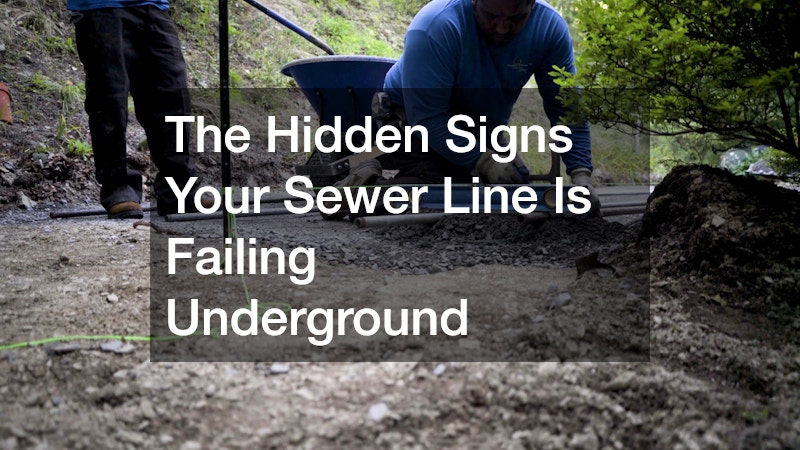
A failing sewer line rarely announces itself with a dramatic flood on day one. Instead, it whispers through slow drains, odd smells, and small changes in your yard that are easy to dismiss as unrelated. By the time raw sewage backs up into your home, the damage underground has often been building for months or even years. Learning to spot these early warning signs can save you thousands of dollars in repairs and protect your family from health hazards.
Slow Drains Throughout the Entire House
When a single sink drains slowly, the problem is usually local, like a clog in that specific pipe. But when every drain in your home, from the kitchen sink to the upstairs shower, starts emptying sluggishly at the same time, that is a strong signal the main sewer line is partially blocked or damaged. This pattern means wastewater from your entire plumbing system is struggling to reach the municipal line, often because of a collapsed section, tree root intrusion, or years of grease and debris buildup.
Many homeowners try pouring store-bought drain cleaners down the affected fixtures first, hoping for a quick fix. While these products can help with minor, isolated clogs, they rarely solve a whole-house drainage problem because the blockage sits much deeper in the main line than the chemicals can reach. If slow drainage persists after a few days, it is time to look further down the pipe rather than continuing to treat individual fixtures, and calling in a professional for drain repairs is often the only way to properly clear and assess the main line.
- Multiple slow drains happening simultaneously, not just one fixture
- Gurgling sounds coming from drains when other fixtures are used
- Water backing up in the bathtub when you run the washing machine
- Toilets that flush weakly or take longer than usual to clear
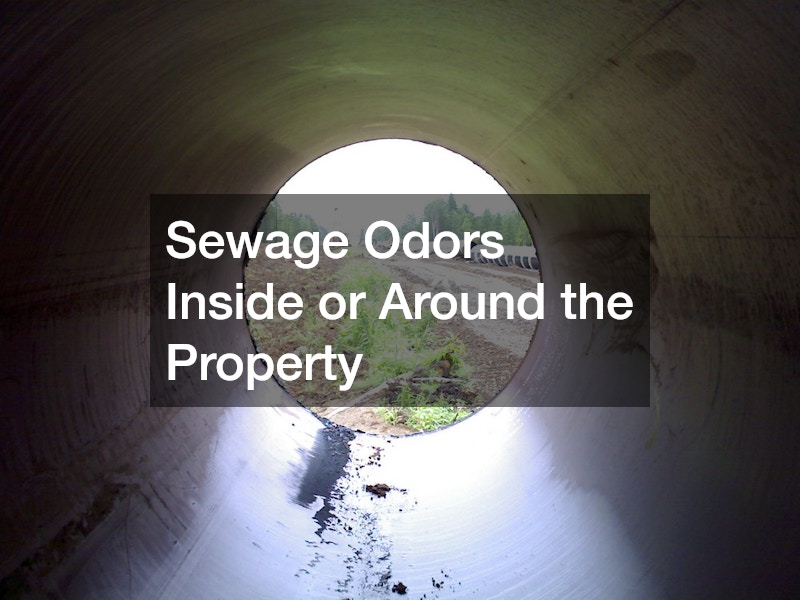
Sewage Odors Inside or Around the Property
A properly functioning sewer system is sealed and vented, so you should never smell sewage inside your home or in your yard. If you notice a persistent rotten egg or sulfur-like odor near a specific patch of lawn, it likely means sewage is leaking from a cracked or broken pipe underground before it reaches the street. Indoors, similar smells coming from drains can indicate a dry P-trap or a more serious venting issue connected to the main line.
These odors tend to be intermittent at first, appearing after heavy rain or when the ground shifts, which makes them easy to ignore. Over time, as the crack or break worsens, the smell becomes more constant and noticeable, especially in basements or crawl spaces near the foundation. Any lingering sewage smell warrants a professional inspection rather than an air freshener.
Unusually Green or Soggy Patches in the Yard
Sewage is packed with nutrients, so a leaking pipe essentially fertilizes the soil directly above it. This often results in a strip of grass that is noticeably greener, taller, or more lush than the surrounding lawn, tracing the path of the buried pipe. In other cases, the ground may become soft, spongy, or soggy even during dry weather, which points to standing wastewater pooling below the surface.
These changes can be subtle in the early stages and are often mistaken for normal variations in soil quality or sun exposure. Pay attention if the lush patch appears suddenly and follows a straight line across your property, since sewer lines typically run in direct paths from the house to the street connection.
- A strip of unusually green grass running in a straight line across the yard
- Soggy or spongy ground that never seems to dry out
- Small sinkholes or depressions forming along the suspected pipe route
- Standing water appearing after rain in areas that were previously dry
Foundation Cracks and Shifting Soil
A sewer line leak does more than create a smell and a wet patch; it can slowly erode the soil that supports your home’s foundation. As wastewater saturates the ground beneath or beside the foundation, the soil can shift, expand, or wash away entirely, leaving unsupported gaps where solid ground used to be. This kind of erosion tends to happen gradually, over months or even years, which is why homeowners often miss the connection between a hidden pipe problem and the cracks appearing in their walls.
Watch for diagonal cracks near windows and door frames, gaps wider than a quarter-inch, or cracks that seem to grow noticeably after heavy rain. Uneven floors, doors and windows that suddenly stick or won’t latch properly, and visible gaps between walls and ceilings are all signs the foundation is responding to shifting soil below. In more advanced cases, you might notice the exterior foundation wall itself bowing or leaning slightly.

Soil Composition
Soil composition matters here, too. Clay-heavy soil expands when saturated and contracts as it dries, so a leaking sewer line can trigger a repeated cycle of swelling and shrinking that stresses the foundation far more than a one-time leak would in sandier soil. This is why homes on clay or poorly draining lots often show foundation damage faster and more severely than homes on well-draining ground.
This kind of structural movement is a serious red flag that the underlying pipe issue has been present for a while. Left unaddressed, the repair scope can escalate quickly, from a simple pipe patch to costly foundation underpinning or slab repair. If you notice these warning signs, it’s worth having both a plumber and a foundation specialist inspect the property before the damage spreads further.
Homeowners often treat these symptoms as isolated foundation problems without realizing a broken sewer line is the root cause. A leaking pipe releases hundreds of gallons of water into the surrounding soil over time, and that saturation causes the ground to expand, contract, and settle unevenly beneath the slab. The result is often mistaken for normal settling or poor initial construction, when in fact the plumbing beneath the home is actively washing away its support.
If foundation repairs are done without fixing the leaking pipe first, the soil erosion will continue and the same cracks are likely to reappear within a year or two. Even worse, spending thousands on slab piers or foundation leveling only to have the ground shift again means paying for the same repair twice. A camera inspection of the sewer line before any foundation work begins can confirm whether a hidden leak is driving the damage, saving homeowners from treating the symptom while ignoring the cause.
Frequent Clogs Despite Regular Maintenance
Occasional clogs are normal, but if you find yourself dealing with backups every few weeks despite being careful about what goes down your drains, the issue is likely structural rather than behavioral. Tree roots are one of the most common culprits, as they seek out moisture and can infiltrate even small cracks in aging clay or cast iron pipes, growing into thick mats that trap debris. Once roots establish themselves inside a line, store-bought fixes and plunging will only offer temporary relief, and the clogs will keep returning at the same trouble spot.
A professional sewer line cleaning service can use mechanical augers or hydro jetting to clear these root intrusions and buildup far more effectively than anything a homeowner can manage on their own. This type of cleaning also gives a plumbing contractor the chance to inspect the pipe’s condition while they work, which can reveal whether the recurring clogs are a symptom of a larger problem needing repair.
Rodent and Insect Activity Near Drains
A cracked or broken sewer pipe creates an entry point that pests find highly attractive, since it offers both moisture and a direct path into your home. Homeowners with a failing sewer line sometimes notice a sudden uptick in cockroaches, drain flies, or even rodents near bathrooms and basements, particularly around floor drains and toilets. These pests are drawn to the organic matter and consistent dampness that a leak provides.
While pest control can address the immediate infestation, it will not stop new insects or rodents from arriving if the underlying pipe damage is never repaired. If you have ruled out other entry points around your home and the activity seems concentrated near plumbing fixtures, the sewer line deserves a closer look, and it is best left to plumbers who can properly diagnose the source with a camera inspection.

Unexplained Increases in Water and Sewer Bills
A sudden spike in your water or sewer bill without a change in household usage is a financial clue that should not be ignored. Underground leaks, even small ones, can waste significant amounts of water over time as it continuously escapes into the soil instead of flowing where it should. Comparing several months of bills side by side can help you spot a trend rather than dismissing one high bill as a fluke.
Municipal water providers sometimes flag unusual usage patterns and will alert homeowners directly, which is worth taking seriously even if you have not noticed other symptoms yet. If your bill has climbed steadily over two or three billing cycles, it is a good time to have a licensed plumber investigate before the underlying issue grows more expensive to fix.
Visible Sewage Backup in Toilets or Drains
The most obvious and urgent sign of a failing sewer line is sewage actually backing up into your home, often through the lowest drain in the house, such as a basement floor drain or a downstairs toilet. This happens because wastewater has nowhere else to go once the main line is blocked or collapsed, so it takes the path of least resistance back up through your fixtures. This is not a problem to wait out, since continued use of water in the home will only make the backup worse.
At this stage, calling an emergency sewer cleaning service is typically the fastest way to relieve the immediate blockage and prevent further contamination of your living space. Once the emergency is resolved, a full camera inspection is essential to determine whether the backup was a one-time event or a sign of ongoing sewer line repairs that will be needed to prevent it from happening again.
Water Quality Changes From a Failing System
In some cases, a compromised sewer line can be close enough to a home’s water supply lines that contamination becomes a real risk, particularly in older properties where both systems run through similar trenches. Signs include water that looks discolored, smells off, or leaves residue in tubs and toilets that was not there before. This crossover risk is one of the more serious reasons to treat sewer line symptoms seriously rather than waiting for a bigger emergency.
If you suspect any contamination, it is worth having your water tested and considering additional water treatment as a precaution while the sewer issue is being diagnosed and repaired. This step protects your family’s health in the short term while the underlying pipe problem is being addressed by a qualified professional.

Choosing the Right Professional for Diagnosis and Repair
Once you notice several of these warning signs together, the next step is finding the right help rather than guessing at solutions yourself. Not every plumber has the specialized camera equipment needed to inspect a sewer line thoroughly, so it helps to ask specific questions before scheduling an appointment. A qualified local plumber who regularly handles sewer line issues will be able to explain the inspection process clearly and give you an honest assessment of what repairs are actually needed.
Getting quotes from a couple of local plumbing companies is a reasonable way to compare pricing and approach, especially for a repair as significant as replacing or relining a sewer line. Look for a company that offers camera inspections as a standard part of their diagnostic process, since this gives you visual proof of the problem rather than relying on guesswork.
- Ask whether the company uses video camera inspection equipment
- Request a written estimate that outlines the scope of any recommended work
- Check reviews specifically related to sewer line experience, not just general plumbing
- Confirm whether they offer trenchless repair options in addition to traditional excavation
Catching a failing sewer line early is almost always less stressful and less expensive than dealing with a full collapse or backup later on. If any of these signs sound familiar, from a lingering odor to an oddly green patch of grass, it is worth scheduling a professional inspection sooner rather than later. Taking action now protects both your property and your family’s health, and it puts you back in control before a small problem becomes a major one.