Balancing indoor comfort with outdoor aesthetics starts long before any physical upgrades. It begins with clarity. Many homes feel disjointed not because anything is inherently wrong, but because each space was designed in isolation. The living room might lean modern, the backyard rustic, and the entryway somewhere in between. Over time, this creates subtle visual friction that homeowners may not immediately recognize but definitely feel.
Start by walking through your home and stepping outside with a critical eye. Notice where transitions feel abrupt. Do your interior colors clash with exterior materials? Does your backyard feel like an extension of your home—or a completely separate environment? Pay attention to textures, finishes, and even how lighting changes from one space to another.
A helpful exercise is to define three guiding elements for your property:
- A consistent color palette (warm neutrals, cool grays, earthy tones)
- A primary material theme (wood, stone, metal, or a mix)
- A general style direction (modern, traditional, transitional)
From there, you can begin aligning decisions. For example, if your indoor space features warm wood tones and soft beige walls, carrying those tones into outdoor furniture, fencing, or decking helps everything feel intentional. Even small details—like matching metal finishes on light fixtures—can reinforce that cohesion.
This is often where interior designers can offer surprising value. Their expertise isn’t limited to indoor layouts—they’re skilled at creating visual continuity, which is exactly what this process requires. Even a short consultation can help you avoid mismatched finishes or competing design elements.
The goal isn’t perfection. It’s harmony. When your indoor and outdoor spaces speak the same visual language, your entire home feels calmer, more complete, and easier to enjoy.
Improving Flooring Transitions for Seamless Movement
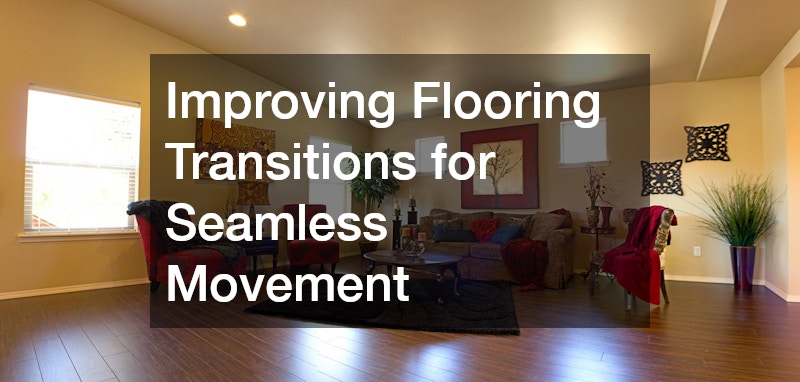
One of the most overlooked aspects of indoor-outdoor balance is what’s under your feet. Flooring plays a quiet but powerful role in how spaces connect. If your indoor flooring abruptly changes at the threshold, it can break the sense of flow—even if everything else is well designed.
A more thoughtful approach is to treat flooring as a bridge rather than a boundary. This mindset shift alone can change how you evaluate materials and layouts.
Start by evaluating high-traffic transition points like:
- Sliding doors leading to a patio
- Back entries opening to a yard
- Covered outdoor living areas
Instead of using completely different materials, consider options that visually relate to each other. For instance, a stone-look tile inside can transition beautifully to natural stone or concrete outdoors. Similarly, wood-toned flooring can pair well with composite decking in a similar shade.
Durability matters just as much as appearance. Entry points experience heavy wear, moisture, and temperature changes. Choosing materials designed for these conditions ensures your investment lasts. Textured finishes can also improve safety by reducing slips in areas exposed to rain.
Working with a flooring company can make a significant difference here. They can recommend products that not only look cohesive but also handle environmental stress without warping, cracking, or fading.
When done right, the transition becomes almost invisible. You step outside, and instead of feeling like you’ve left one space for another, it feels like the room simply expanded into the outdoors.
Bringing in Natural Light Without Losing Comfort
Natural light is one of the strongest connections between indoor and outdoor spaces. It softens boundaries, highlights textures, and makes rooms feel larger. But there’s a fine line between inviting light in and compromising comfort.
Too much direct sunlight can lead to glare, heat buildup, and fading furniture. Too little, and your home feels closed off from the outside world. Striking the right balance allows you to enjoy the outdoors visually while maintaining a comfortable indoor climate.
The key is control.
Start by observing how light moves through your home during the day. Which rooms feel too bright in the afternoon? Which areas stay dim even at noon? These patterns will guide your decisions and help you prioritize upgrades.
Modern window services offer solutions that go far beyond basic glass replacement. Energy-efficient windows, low-emissivity coatings, and double or triple glazing can significantly reduce heat transfer while still allowing natural light to flood in.
Layering also helps. Consider combining:
- Sheer curtains for soft diffusion
- Blackout shades for temperature control
- Exterior elements like pergolas or overhangs
A well-placed window doesn’t just brighten a room—it frames the outdoors like a living piece of art. When you can comfortably enjoy that view year-round, the connection between inside and outside becomes effortless and visually satisfying.
Strengthening Entry Points for Better Flow and Function
Your entryways are more than functional passages. They set the tone for how your home feels when moving between spaces. If they’re outdated, poorly insulated, or visually disconnected, they can interrupt the entire experience and even impact energy efficiency.
Think about your main transition points. Do they feel inviting? Do they reflect the style of your home both inside and out? A worn or mismatched door can stand out more than you might expect.
Upgrading these areas can dramatically improve both comfort and aesthetics. Exterior door replacement is one of the most impactful changes you can make. A modern, well-insulated door not only improves energy efficiency but also creates a cleaner visual connection between environments.
When choosing a new door, consider:
- Material: fiberglass, steel, or wood depending on durability needs
- Glass elements: for added light and openness
- Color: something that complements both interior and exterior palettes
Small details matter here. Hardware finishes, trim styles, and even door proportions all contribute to how cohesive the transition feels. Adding sidelights or transom windows can further enhance brightness and openness.
A thoughtfully designed entry doesn’t just connect spaces—it elevates them. It makes stepping outside feel intentional rather than incidental.
Shaping Outdoor Spaces That Mirror Indoor Comfort
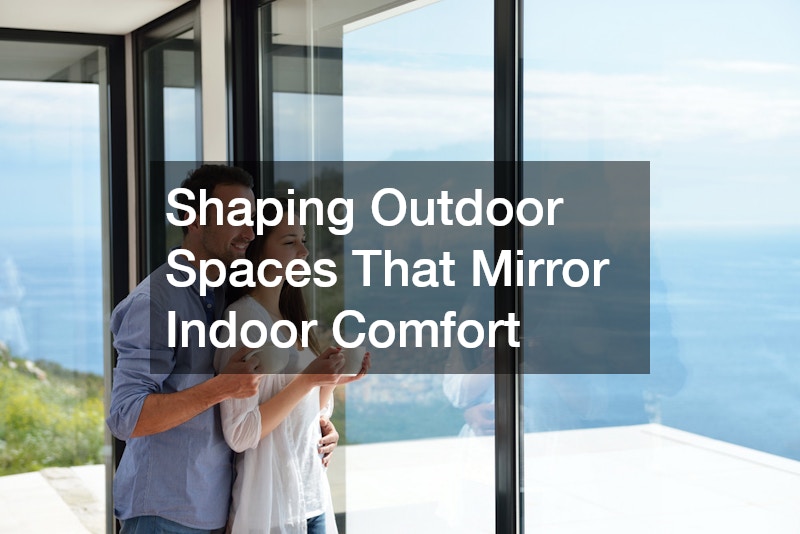
The most inviting outdoor spaces don’t feel like an afterthought. They feel like rooms—just without walls. This mindset shift is what transforms a basic backyard into a functional extension of your home.
Instead of scattering furniture randomly across a patio or yard, approach your outdoor area with the same mindset you would use indoors. Define purpose first. Is this space for relaxing, entertaining, dining, or all three?
Once you know how you want to use it, build around that intention.
For example, a comfortable outdoor lounge might include:
- Deep seating with weather-resistant cushions
- A central coffee table or fire feature
- Soft lighting for evening use
A dining area, on the other hand, benefits from:
- A sturdy table with adequate shade
- Easy access to the kitchen
- Durable surfaces that handle spills and weather
Thoughtful landscape design plays a crucial role here. It helps organize space, guide movement, and create natural boundaries without making the area feel closed off. Pathways, plant groupings, and elevation changes can subtly define zones.
The goal is comfort that feels familiar. When your outdoor space mirrors the usability and warmth of your indoor rooms, you’ll naturally spend more time there—and enjoy it more when you do.
Maintaining Clear Sightlines and a Balanced Yard
Even the most beautiful interior can feel disconnected if what you see outside is cluttered or overgrown. Your yard isn’t just an exterior feature—it’s part of your daily visual experience.
Look out your windows right now. What stands out? Is it clean, open, and intentional? Or is it crowded, uneven, or distracting? These small visual cues influence how peaceful your home feels.
Maintaining clear sightlines doesn’t mean stripping your yard of character. It means managing growth so that your landscape enhances rather than competes with your home.
Trees, for instance, can be both an asset and a challenge. When properly maintained, they frame views and provide shade. But when neglected, they can block light or create safety concerns. A professional tree company can help assess which trees should be trimmed, reshaped, or removed.
Similarly, leftover stumps or uneven ground can disrupt both appearance and usability. A stump removal service not only improves safety but also opens up new possibilities for planting or design.
Balance is the goal. You want enough greenery to feel natural and inviting, but not so much that it overwhelms the space or obscures your home’s features.
Keeping Outdoor Features Functional Throughout the Year
A well-designed outdoor space loses its value quickly if it isn’t maintained. Comfort doesn’t come from appearance alone—it comes from usability and reliability.
Take pools, for example. They’re often the centerpiece of a backyard, but without proper care, they can become more of a burden than a benefit. Cloudy water, broken filters, or inconsistent temperatures make the space less inviting.
Regular upkeep through a swimming pool service ensures that your pool remains clean, safe, and ready to use whenever you want it. It also extends the lifespan of your equipment, saving money in the long run.
Beyond pools, think about other features:
- Outdoor furniture that needs seasonal cleaning or storage
- Lighting systems that require occasional adjustments
- Fire pits or heaters that should be inspected for safety
Consistency matters more than intensity. Small, regular efforts keep your outdoor space aligned with the comfort of your indoor environment. Even setting a simple monthly checklist can make a big difference.
When everything works as it should, you’re free to enjoy the space instead of worrying about it.
Extending High-Quality Surfaces Into Outdoor Areas
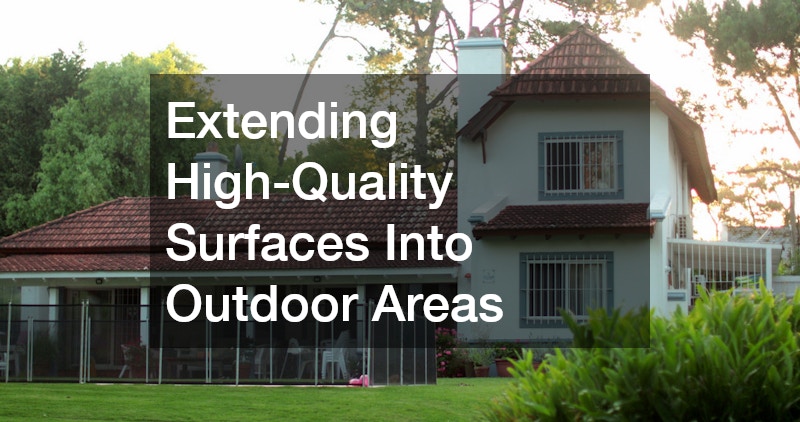
There’s something deeply satisfying about continuity in materials. When the finishes you love indoors carry into your outdoor spaces, the entire property feels more refined and thoughtfully designed.
One of the most effective ways to achieve this is through surface choices. For example, incorporating countertops into outdoor kitchens or bar areas instantly elevates the space. It creates a sense of permanence and usability that basic setups often lack.
The key is selecting materials that can handle exposure while still matching your interior aesthetic. Natural stone, sealed concrete, and certain engineered surfaces all offer durability without sacrificing style.
Think about how these surfaces will be used. Will they host meals, drinks, or casual gatherings? Will they be exposed to direct sunlight or heavy rain? These factors should guide your choices and prevent premature wear.
When indoor and outdoor surfaces feel like part of the same design story, the transition between spaces becomes seamless. It’s a subtle shift, but one that has a lasting impact on how your home feels as a whole.
Building Consistent Lawn Care Habits for Visual Harmony
A healthy, well-maintained lawn does more than improve curb appeal—it reinforces the overall balance of your property. It acts as a visual anchor, tying together different elements and creating a sense of order.
But consistency is where many homeowners struggle. Lawns don’t need perfection, but they do need regular attention to stay visually appealing and functional.
Instead of approaching lawn care as an occasional chore, think of it as an ongoing system. This might include:
- Weekly mowing during peak growth seasons
- Seasonal fertilization and aeration
- Strategic watering based on climate and soil conditions
A professional lawn care service can help establish this rhythm, especially if your schedule is already full. They bring expertise, equipment, and consistency—three things that are difficult to maintain on your own over time.
Over time, these habits create a lawn that looks naturally healthy rather than overly managed. That subtle difference contributes to a more relaxed and welcoming outdoor environment.
Bringing Indoor Comfort and Outdoor Beauty Into Balance
At its core, balancing indoor comfort with outdoor aesthetics isn’t about perfection or expensive upgrades. It’s about intention and consistency over time.
It’s choosing materials that relate to each other.
It’s maintaining spaces so they stay inviting.
It’s designing with both function and feeling in mind.
When you approach your home as a connected system rather than a collection of separate areas, everything starts to align. The transitions feel smoother. The spaces feel more usable. And the overall experience becomes more enjoyable—day after day.
You don’t have to do everything at once. Start with one area that feels disconnected and improve it thoughtfully. Then move to the next. Over time, those small changes build into something much bigger: a home that feels complete, comfortable, and visually balanced from every angle.