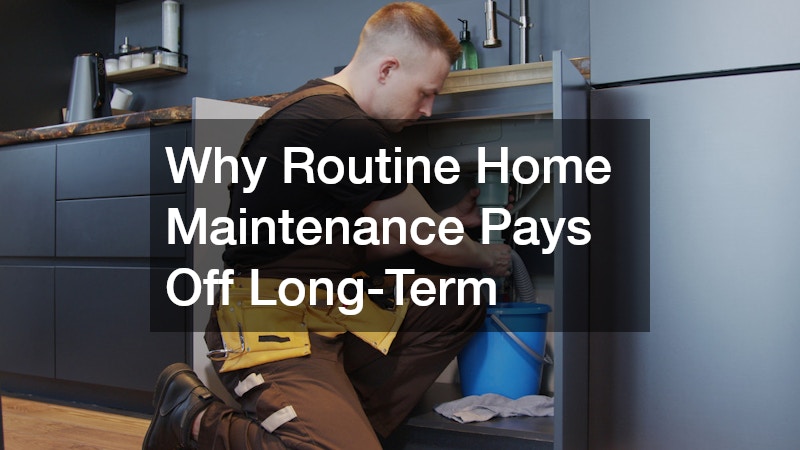
A home rarely falls apart all at once. More often, small problems sit quietly in the background until they become expensive, stressful, and inconvenient. A faint stain on the ceiling, a room that never cools properly, a musty smell near a sink, or a crack in the driveway may not feel urgent at first. But over months or years, those small warning signs can turn into repairs that cost far more than they would have if handled early.
Routine home maintenance is not just about keeping things clean or checking chores off a weekend list. It is about protecting the money, comfort, and effort you have already invested in your home. When you care for a home consistently, you reduce the chance of surprise repairs, extend the life of major systems, and make daily living more comfortable.
The key is not perfection. Most homeowners do not have unlimited time, and few people want to spend every weekend inspecting gutters, vents, walls, flooring, and outdoor surfaces. The real goal is awareness. When you know what to look for and take care of small issues at the right time, your home becomes easier and less expensive to manage over the long run.
Catch Water Problems Early Before They Spread
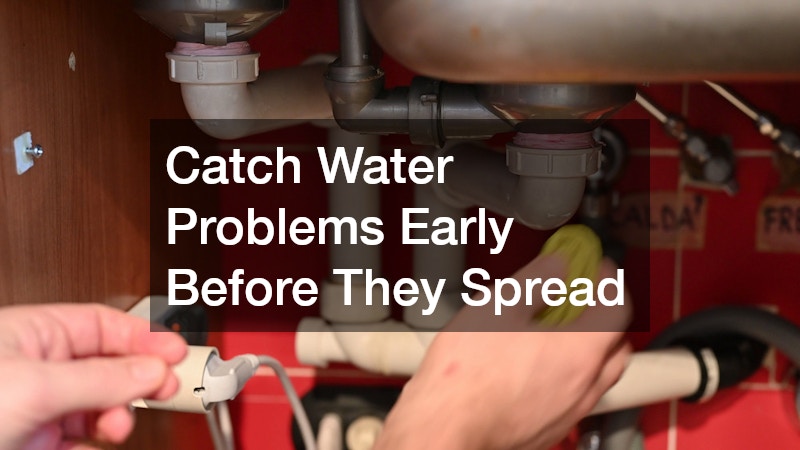
Water is one of the most damaging forces in a home because it can travel quietly before you notice the full problem. A slow sink, bubbling toilet, damp cabinet, or faint odor near a floor drain can seem minor, especially if everything still appears to be working. But plumbing issues often start small before creating damage behind walls, under floors, or below ground.
A clogged drain is a good example. Many homeowners treat it as a temporary inconvenience, clear it once, and move on. But if the same fixture keeps draining slowly, the problem may be deeper than surface buildup. Grease, soap residue, hair, tree roots, pipe damage, or improper slope can all cause recurring drainage trouble.
A practical habit is to pay attention to patterns. One slow drain may be isolated. Multiple slow drains can point to a larger issue. Gurgling sounds, sewage odors, or water backing up into another fixture should be taken seriously. In those cases, calling a drain cleaning expert early can help identify the cause before it turns into water damage or a sanitation concern.
It also helps to protect drains before problems start. Avoid pouring grease into sinks, use strainers in tubs and showers, and flush only materials designed for plumbing systems. These small habits do not take much effort, but they can reduce buildup and help your plumbing last longer.
Respond to Hidden Plumbing Problems Quickly
Some plumbing problems are visible right away. Others hide underground or behind walls until the repair becomes more complicated. That is why homeowners should treat unusual drainage behavior as information, not just annoyance.
If toilets bubble when the washing machine drains, if tubs back up after heavy water use, or if wet spots appear in the yard without rain, the home may have a bigger drainage or pipe issue. In older homes especially, underground lines can shift, crack, corrode, or become invaded by roots.
This is where sewer repair can become necessary. No homeowner wants to hear that phrase, but catching the issue early can make a major difference. Waiting until there is a full backup or widespread damage usually limits your options and increases the cost.
A good long-term approach is to keep records of recurring problems. Write down when backups happen, which fixtures are involved, and whether weather seems to play a role. This gives professionals better information and helps you avoid paying for repeated temporary fixes when the real issue needs a more permanent solution.
Protect Exterior Surfaces Throughout the Year
Your home’s exterior is its first defense against weather. Roofs, siding, trim, flashing, caulking, windows, and drainage systems all work together to keep moisture outside. When one part fails, nearby materials often suffer too.
A missing shingle might not look serious from the driveway. A small gap near a window frame might seem cosmetic. But wind-driven rain can enter through tiny openings and create damage inside walls long before you see stains indoors. That is why seasonal inspections matter.
After heavy storms, walk around the property and look for visible changes. You do not need to climb a ladder to notice many warning signs. Check for shingles on the ground, sagging gutters, peeling paint, warped siding, or dark streaks near roof edges. If something looks different, take a photo so you can compare it later.
When roof concerns appear, it is wise to consult a local roofer rather than guessing from the ground. A professional can check flashing, ventilation, shingles, and vulnerable transition areas where leaks commonly begin.
Exterior walls deserve the same attention. Cracked, loose, or damaged siding can let moisture reach the layers beneath it. In some cases, siding installation may be a smart investment because it improves protection, curb appeal, and long-term durability. The important thing is timing. Replacing or repairing exterior materials before widespread rot develops is almost always less costly than waiting.
Improve Efficiency With Seasonal System Care
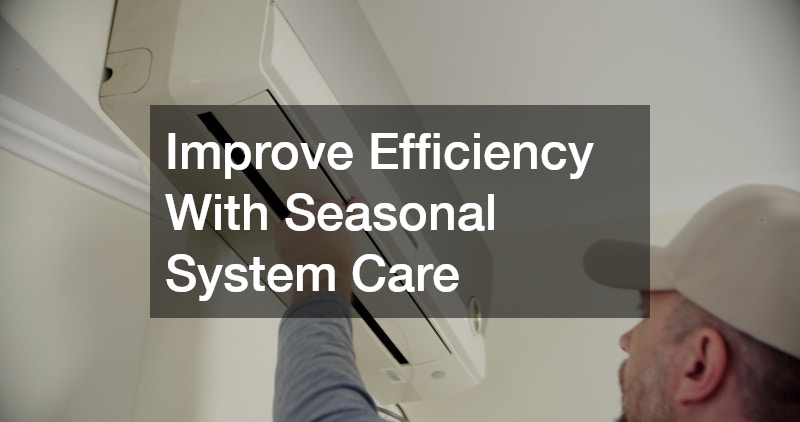
Comfort problems often creep in gradually. Maybe the upstairs feels warmer than it used to. Maybe the cooling system runs longer, but the house still feels humid. Maybe energy bills rise even though your habits have not changed much. These are signals worth investigating.
Heating and cooling systems work hard, and they need routine attention to perform efficiently. Dirty filters, blocked vents, worn parts, low refrigerant, or poor airflow can cause the system to run longer than necessary. Over time, that extra strain can shorten equipment life.
Before the hottest months arrive, it is smart to schedule an ac repair service if the system has been noisy, inconsistent, or slow to cool the home. Preventive service can catch small mechanical problems before peak-season demand pushes the system harder.
Homeowners can also support efficiency with simple monthly habits:
- Replace or clean air filters on schedule.
- Keep supply and return vents clear.
- Remove leaves or debris near outdoor units.
- Listen for new sounds when the system starts.
- Notice rooms that feel unusually hot, cold, or humid.
The goal is not to become an HVAC technician. It is to recognize when your home is giving you early clues. Acting on those clues can help you avoid emergency repairs during the least convenient time of year.
Use Better Information to Prioritize Upgrades
Many homeowners want a more efficient home but are not sure where to begin. Should you add insulation? Replace windows? Seal ducts? Upgrade appliances? Without good information, it is easy to spend money in the wrong order.
A home energy audit can help identify where the home is losing energy and which improvements are likely to matter most. Instead of guessing, you get a clearer picture of air leaks, insulation gaps, inefficient equipment, and other sources of waste.
This is especially useful because energy problems are not always obvious. A drafty room may feel like a window issue, but the real problem could be attic air leakage. A high utility bill may seem like an appliance problem, but poor insulation or duct leaks may be contributing more than expected.
Once you understand the biggest sources of loss, you can rank improvements by impact. That may mean sealing gaps first, improving attic insulation, tuning mechanical systems, or planning for larger upgrades over time. A thoughtful order helps you avoid spending heavily on visible changes while hidden problems continue costing money every month.
Choose Improvements That Reduce Future Costs
Some home upgrades pay off because they solve more than one problem at once. They improve comfort, reduce maintenance needs, and help lower operating costs over time. Windows are a common example.
Old or poorly sealed windows can make rooms feel drafty in winter and hot in summer. They may allow condensation, outside noise, and air leakage. High performance replacement windows can help improve comfort and efficiency when existing windows are damaged, outdated, or no longer sealing properly.
Still, window replacement should be approached thoughtfully. Before investing, check whether the issue is truly the window itself or the surrounding installation, caulking, insulation, or trim. A newer window installed poorly can still perform badly, while an older window may improve with proper sealing or repair.
The same long-term thinking applies outside. Driveways, walkways, and patios are easy to ignore until cracks widen or surfaces become uneven. Water can enter small cracks, freeze, expand, and gradually make damage worse. Regular sealing, cleaning, and drainage correction can extend the life of these surfaces.
If pavement is sinking, cracking widely, or creating drainage problems near the home, a paving company can help determine whether repair, resurfacing, or replacement makes the most sense. The earlier you evaluate the problem, the more options you usually have.
Preserve Interior Materials Before Replacement Is Necessary
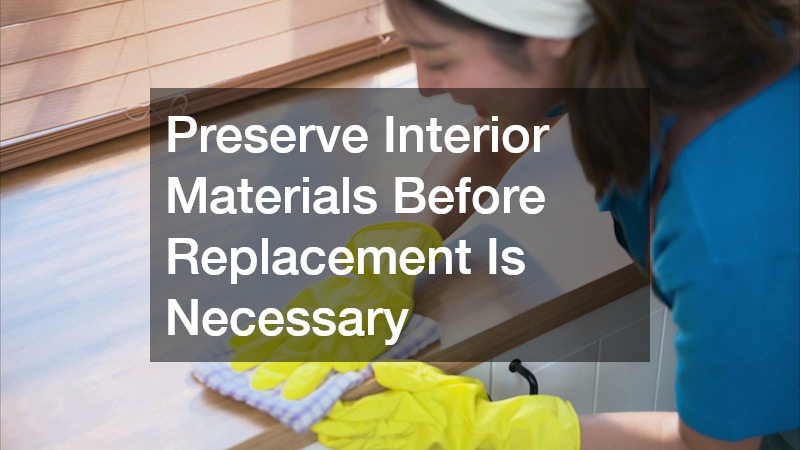
Interior maintenance may not feel as urgent as a roof leak or plumbing backup, but it has a major impact on how long materials last. Flooring, walls, trim, doors, and fixtures take daily wear. Small damage can spread when it is ignored.
Carpet is a good example because one damaged area can make an entire room look worn out. A pulled seam, burn mark, ripple, stain, or frayed edge may not require full replacement. In many cases, carpet repair can restore the area and extend the life of the flooring.
The best time to act is when the problem is still contained. Once fraying spreads, padding becomes damaged, or stains settle deeply, repair may be more difficult. High-traffic areas such as hallways, stairs, living rooms, and entry points should be checked regularly.
A homeowner might notice, for example, that the carpet near a doorway keeps lifting slightly. It may seem harmless at first, but that loose edge can become a trip hazard and worsen with daily foot traffic. Fixing it early protects both the material and the people walking through the space.
Routine cleaning also matters. Dirt acts like sandpaper in flooring fibers and finishes. Using mats at entrances, removing shoes when practical, vacuuming consistently, and treating spills quickly can preserve surfaces far longer than occasional deep cleaning alone.
Build a Maintenance Routine That Fits Real Life
A maintenance plan only works if it fits your schedule. A complicated checklist that requires hours every weekend is unlikely to last. The better approach is to divide tasks into manageable rhythms.
Monthly tasks should be simple and easy to remember. Check filters, look under sinks, test smoke alarms, inspect visible caulking, and walk around the outside of the home. These quick checks help you notice changes before they become stressful.
Seasonal tasks can be more detailed. In spring, look for winter damage, clean gutters, inspect outdoor surfaces, and prepare cooling systems. In summer, monitor irrigation, drainage, humidity, and pest-prone areas. In fall, prepare heating systems, seal gaps, and clear debris. In winter, watch for ice issues, drafts, and indoor moisture problems.
It also helps to keep a home maintenance notebook or digital file. Include dates, photos, receipts, warranties, and notes from contractors. Over time, this record becomes valuable. You can spot recurring issues, track the age of systems, and make better decisions about when to repair or replace.
A realistic maintenance routine might include:
- A 15-minute monthly walk-through.
- A deeper seasonal inspection.
- An annual review of major systems and upcoming costs.
- A simple emergency fund for repairs that cannot wait.
This structure keeps maintenance from feeling random. Instead of reacting only when something breaks, you gradually build a habit of noticing, planning, and protecting your home.
Budget for Repairs Before They Become Emergencies
One reason routine maintenance pays off is that it gives you more control. Emergency repairs often happen at the worst time, cost more, and force rushed decisions. Preventive care allows you to plan.
A good rule is to set aside money each year for maintenance and repairs. The exact amount depends on the home’s age, size, location, and condition, but every homeowner benefits from having a dedicated fund. Even modest savings can make a difference when a small repair appears.
Budgeting also helps you separate urgent repairs from planned improvements. A leaking pipe, electrical concern, or active water intrusion should be handled quickly. Cosmetic upgrades, on the other hand, can often be scheduled around your finances.
The long-term payoff is not just financial. There is also peace of mind in knowing you are not constantly being surprised by your home. When you maintain systems, track conditions, and plan ahead, you reduce the feeling that every repair is a crisis.
Keep Your Home Working Better for Years

Routine home maintenance is one of the most practical ways to protect your investment. It helps prevent small problems from becoming expensive repairs, keeps major systems working longer, and improves comfort in daily life.
The best approach is consistent, not complicated. Look closely at your home. Notice what changes. Handle small issues while they are still manageable. Keep records, plan seasonal tasks, and invest in improvements that solve real problems rather than chasing quick fixes.
A well-maintained home does not happen by accident. It is the result of steady attention over time. The payoff is a safer, more comfortable, more efficient home that costs less to manage and holds its value better year after year.